 Image 1 of 9
 Image 2 of 9
 Image 3 of 9
 Image 4 of 9
 Image 5 of 9
 Image 6 of 9
 Image 7 of 9
 Image 8 of 9
 Image 9 of 9
Why Grow Douglas Aster?
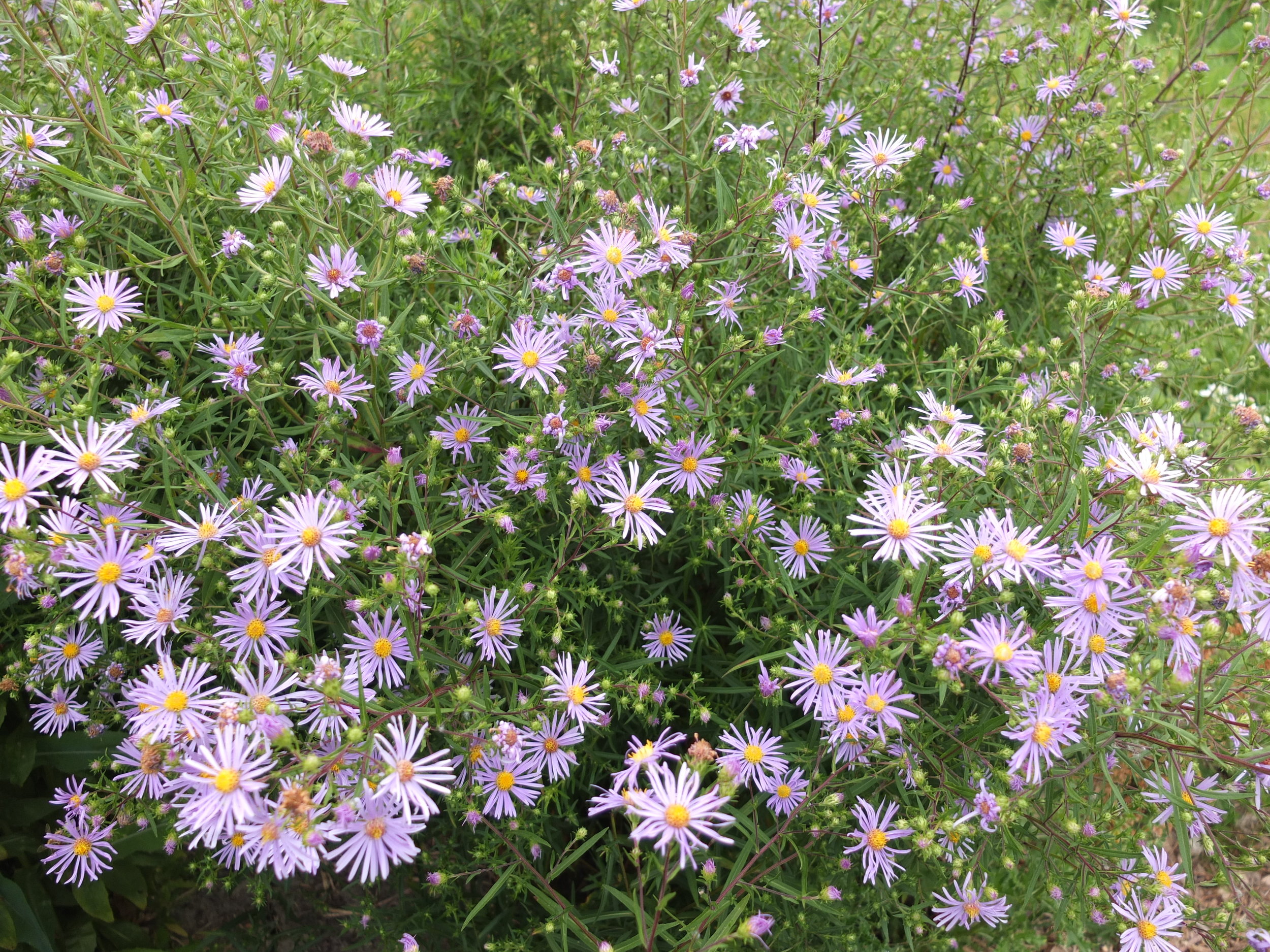
Douglas Aster is one of the last wildflowers to bloom in our gardens here at Ravensong, beginning in late August or early September and continuing well into October.
This extended flowering season makes it particularly valuable for bees and other pollinators preparing for winter. Research conducted at Oregon State University has identified Douglas Aster as one of the most attractive native wildflowers for bees, supporting an impressive diversity of native species, including sweat bees and long-horned bees.
Its ecological value continues after flowering, when abundant seeds provide autumn food for birds. Established plants are also remarkably drought tolerant, making Douglas Aster a wonderful choice for low-maintenance native plant gardens and increasingly dry Pacific Northwest summers.
🌱
PLANT DETAILS
Common Names
Douglas Aster, Douglas’ Aster
Botanical Name
Symphyotrichum subspicatum (syn. Aster subspicatus)
Plant Family
Asteraceae (Daisy Family)
Life Cycle
Perennial
Native Range
Western North America, from Alaska and British Columbia south to California and east to Alberta, Idaho, and Montana. Native to the Pacific Northwest, where it grows naturally in moist meadows, wetlands, streambanks, coastal habitats, and open woodlands.
Hardiness Zone
5–9
Habit
A vigorous, spreading perennial growing approximately 2–4 feet tall. Produces abundant lilac-purple, daisy-like flowers with golden-yellow centres from late summer through autumn. Plants spread through underground rhizomes, gradually forming substantial colonies.
Sun/Soil
Full sun to partial shade. Adaptable to a wide range of soil conditions, including moist, sandy, and clay soils. Although naturally associated with moist habitats, established plants are remarkably drought tolerant and require little summer irrigation.
Germination/Sowing
Seeds germinate readily and can be direct sown in autumn or spring. Seeds may also be started in flats in spring and transplanted into the garden once established.
Growing/Care
Easy to grow, hardy, and adaptable. Plants spread vigorously through underground rhizomes and are best given plenty of room to establish. Particularly well suited to naturalized gardens, native wildflower plantings, and pollinator habitats.
Once established, plants require minimal maintenance and are quite drought tolerant. Flowering stems can be cut back in late winter or early spring, leaving seed heads standing through autumn and winter to provide food for birds and habitat for beneficial insects.
Flowering
At Ravensong, Douglas Aster begins flowering in late August or early September and continues well into October, depending on the weather. In particularly mild seasons, flowering may continue into November.
Its exceptionally long blooming period provides an important late-season source of nectar and pollen for native bees, butterflies, hoverflies, and other beneficial insects.
Harvesting
Flowers can be gathered for fresh-cut wildflower arrangements. Seed heads may be collected once mature and dry in autumn, although leaving some standing provides valuable food for birds.
Culinary Uses
No well-established culinary uses documented for this species.
Medicinal Uses
Douglas Aster belongs to a genus containing several species with histories of traditional medicinal use, including New England Aster (Symphyotrichum novae-angliae). Specific medicinal uses of Douglas Aster are less well documented.
Wildlife & Ecological Value
An exceptionally valuable native wildflower for pollinators, providing nectar and pollen late into autumn when many other flowers have finished blooming.
Douglas Aster attracts a remarkable diversity of native bees, including sweat bees, long-horned bees, and bumblebees, along with butterflies, hoverflies, and other beneficial insects.
Its abundant seeds provide food for birds, while its spreading growth habit creates patches of habitat in native plant gardens and naturalized landscapes.
Themes
Native Plant Garden, Pollinator Plant, Autumn Flowering, Attracts Native Bees, Butterfly Garden, Bird Friendly, Drought Tolerant, Low Maintenance, Deer Resistant, Cut Flowers, Pacific Northwest Native, Wildlife Garden.