 Image 1 of 2
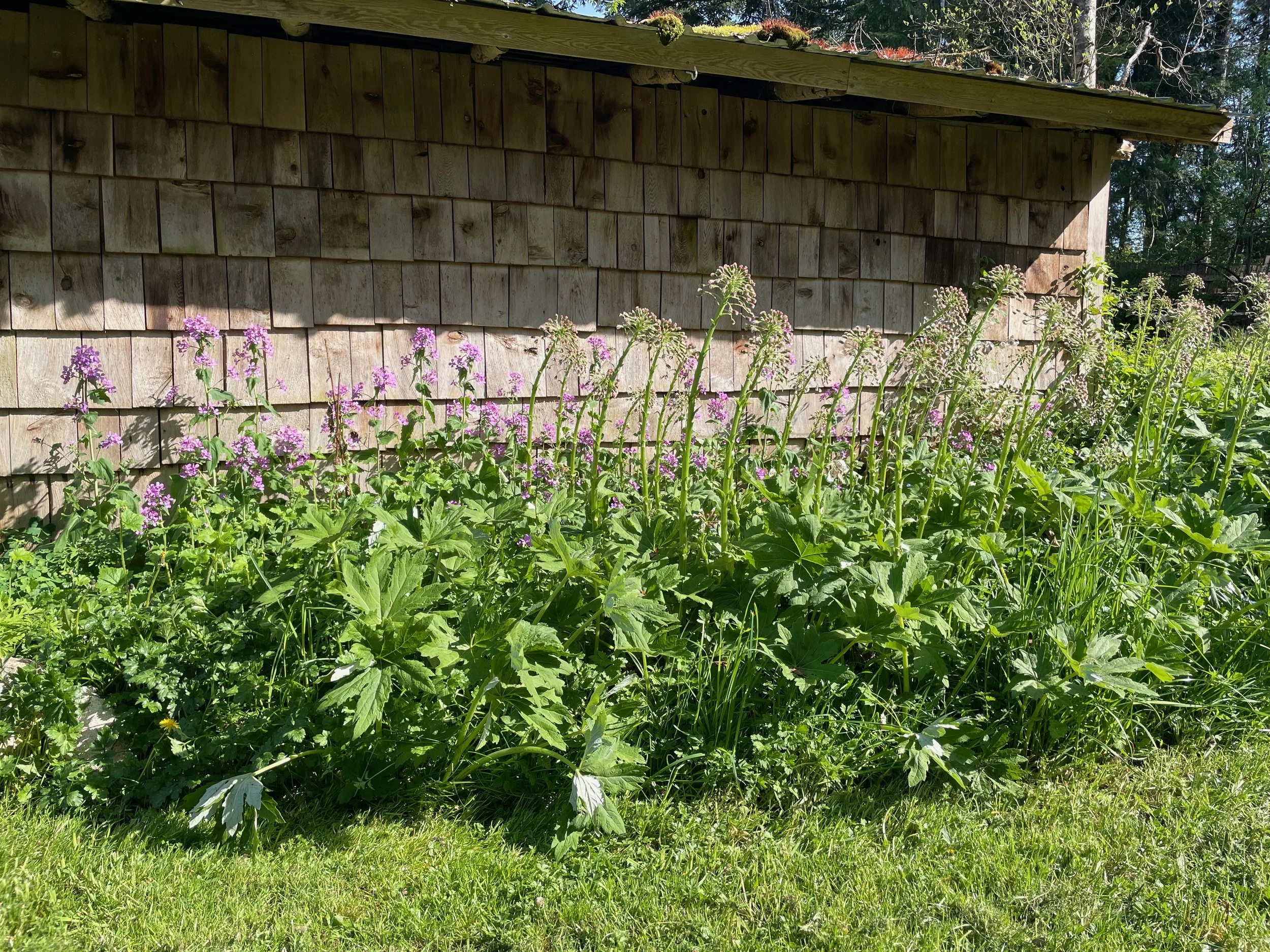 Image 2 of 2
Why Grow Colstfoot?
Coltsfoot is an excellent choice for gardeners working with shade, moisture, or challenging sites where other perennials struggle. It thrives in woodland gardens, along stream edges, and in rain gardens, offering early spring flowers followed by bold, architectural foliage. Traditionally valued in herbal practice and well suited to naturalistic plantings, coltsfoot brings both function and presence to the landscape.
🌱
PLANT DETAILS
Common Names
Coltsfoot, Palmate Coltsfoot
Botanical Name
Petasites frigidus var. palmatus
Plant Family
Asteraceae (Daisy Family)
Native Range
Western North America
Life Cycle
Perennial
Hardiness Zone
3-9
Habit
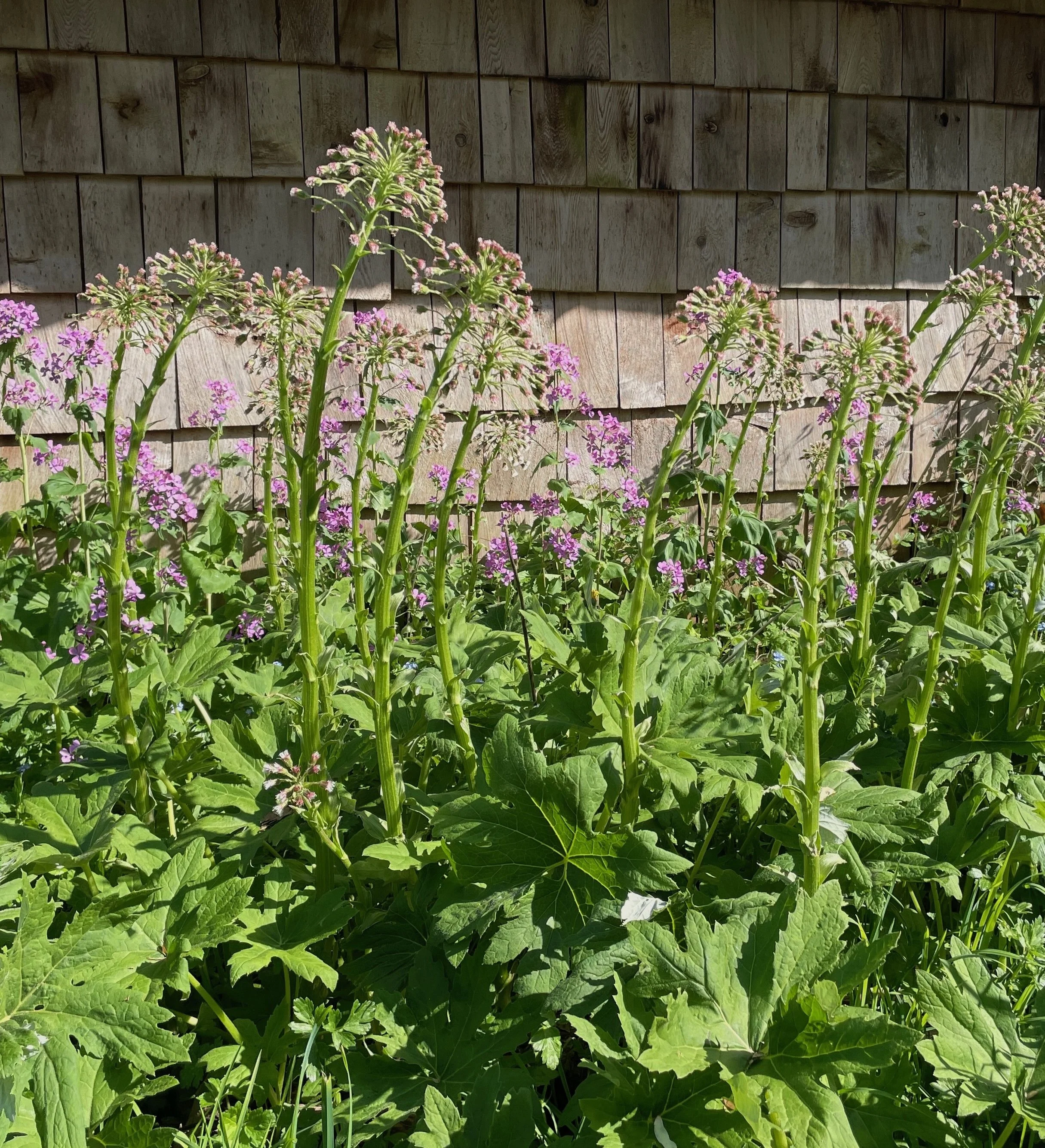
Bold, clump-forming herbaceous perennial reaching 2–4 feet tall. Early spring flower stalks bearing small purplish-pink blooms emerge before the foliage. Large, deeply lobed, palm-shaped leaves follow, creating a dramatic presence in the garden.
Sun & Soil Requirements
Coltsfoot thrives in partial shade to full shade and prefers consistently moist to wet soil. Well suited to woodland gardens, stream edges, and rain gardens. Will thrive as long as it stays fairly moist through its main growing phase from early spring until early summer.
Germination & Sowing Instructions
Seeds are best sown in fall or early spring to provide a natural cold stratification period. Surface sow or lightly press seeds into the soil, as light aids germination. Keep soil consistently moist during establishment.
Growing & Care
Low maintenance once established. Provide regular moisture, especially during dry periods. Plants spread slowly by rhizomes and are best given space to naturalize.
Harvesting
Leaves are traditionally harvested once fully developed. Flower stalks may also be collected in early spring.
Culinary Uses
N/A
Medicinal Uses
Coltsfoot has a long history of use, particularly for supporting respiratory comfort.
Themes
Woodland Garden, Rain Garden, Native Plant, Medicinal Herb, Bold Foliage, Shade Plants.