 Image 1 of 7
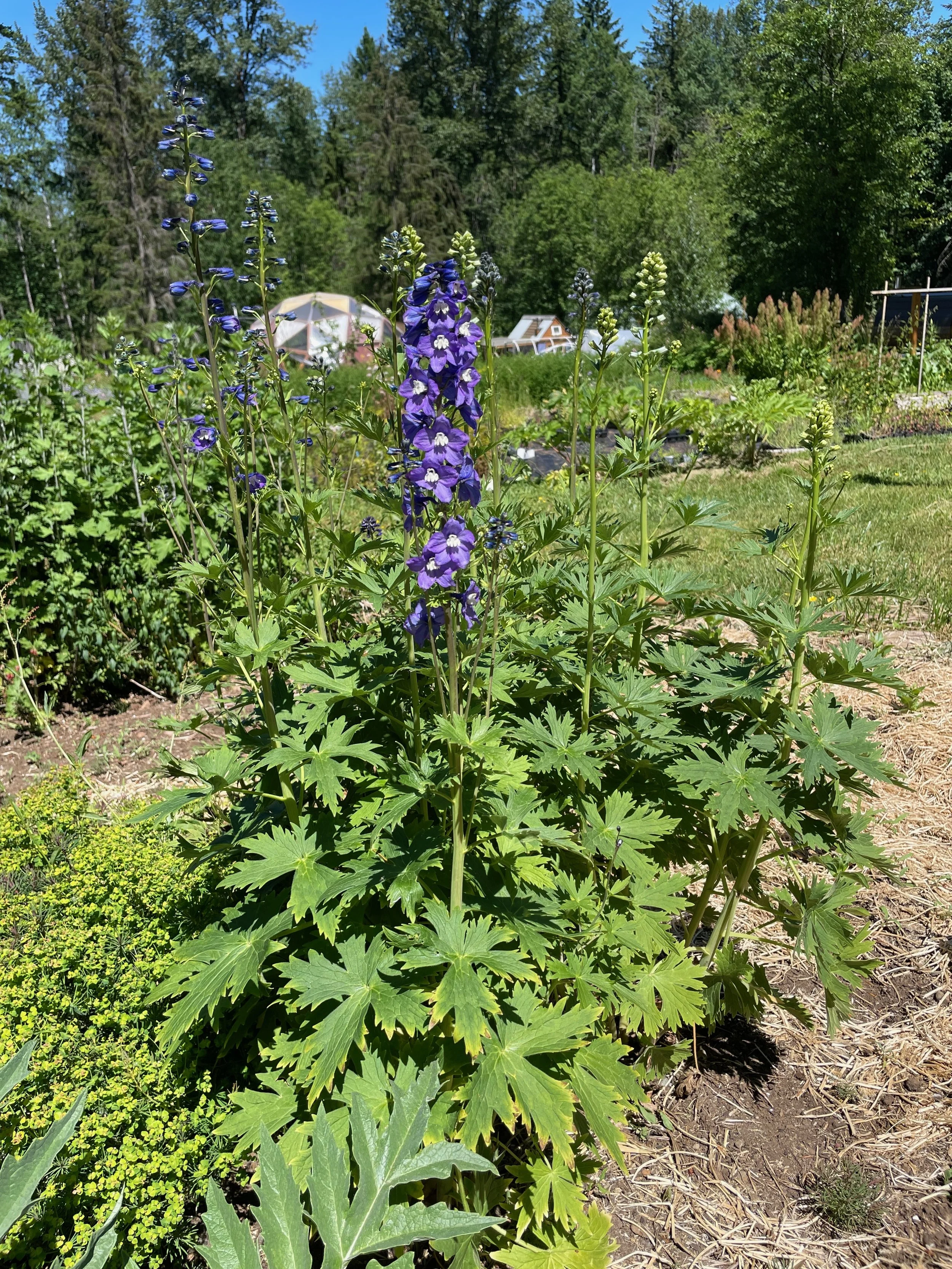 Image 2 of 7
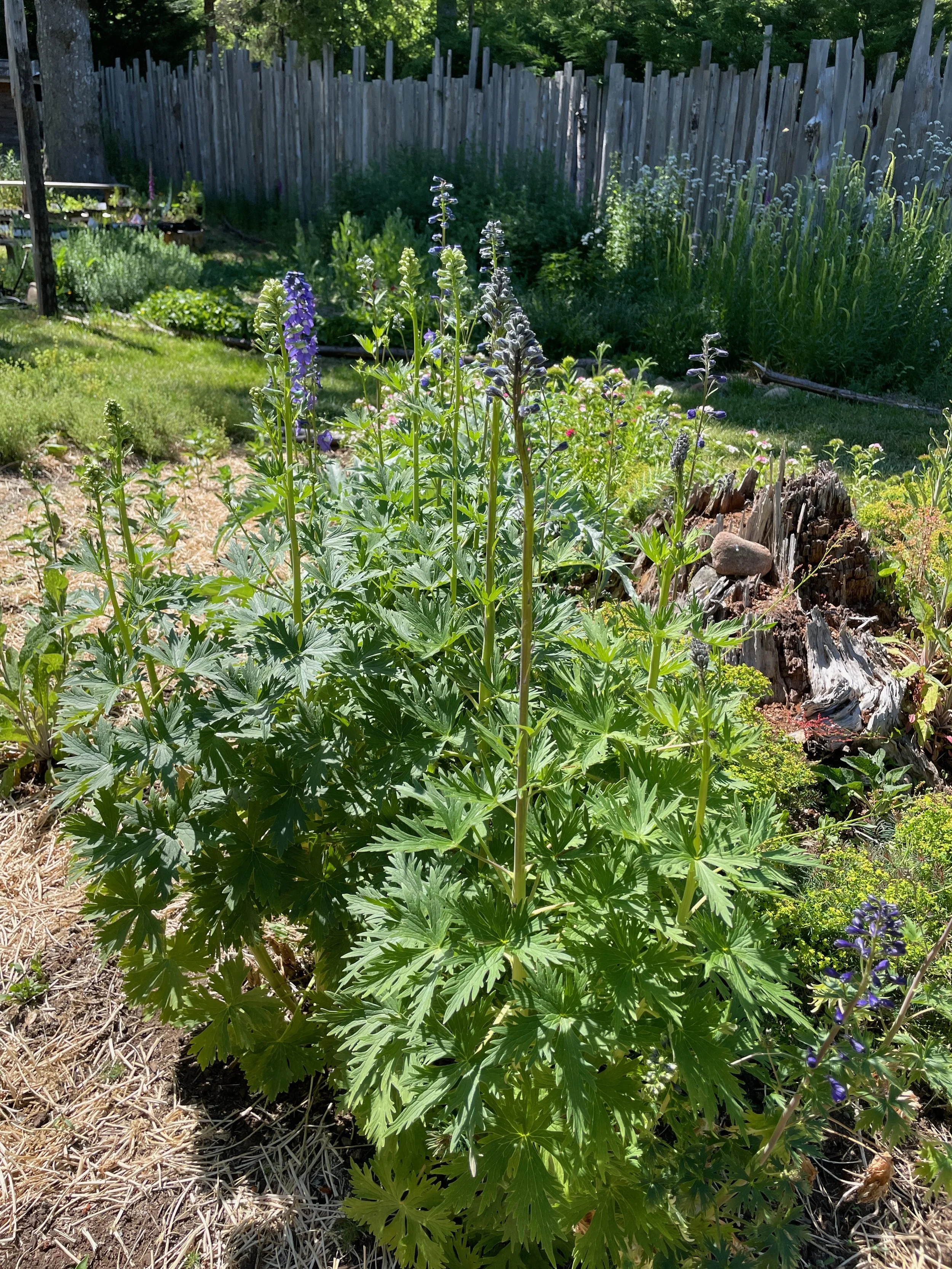 Image 3 of 7
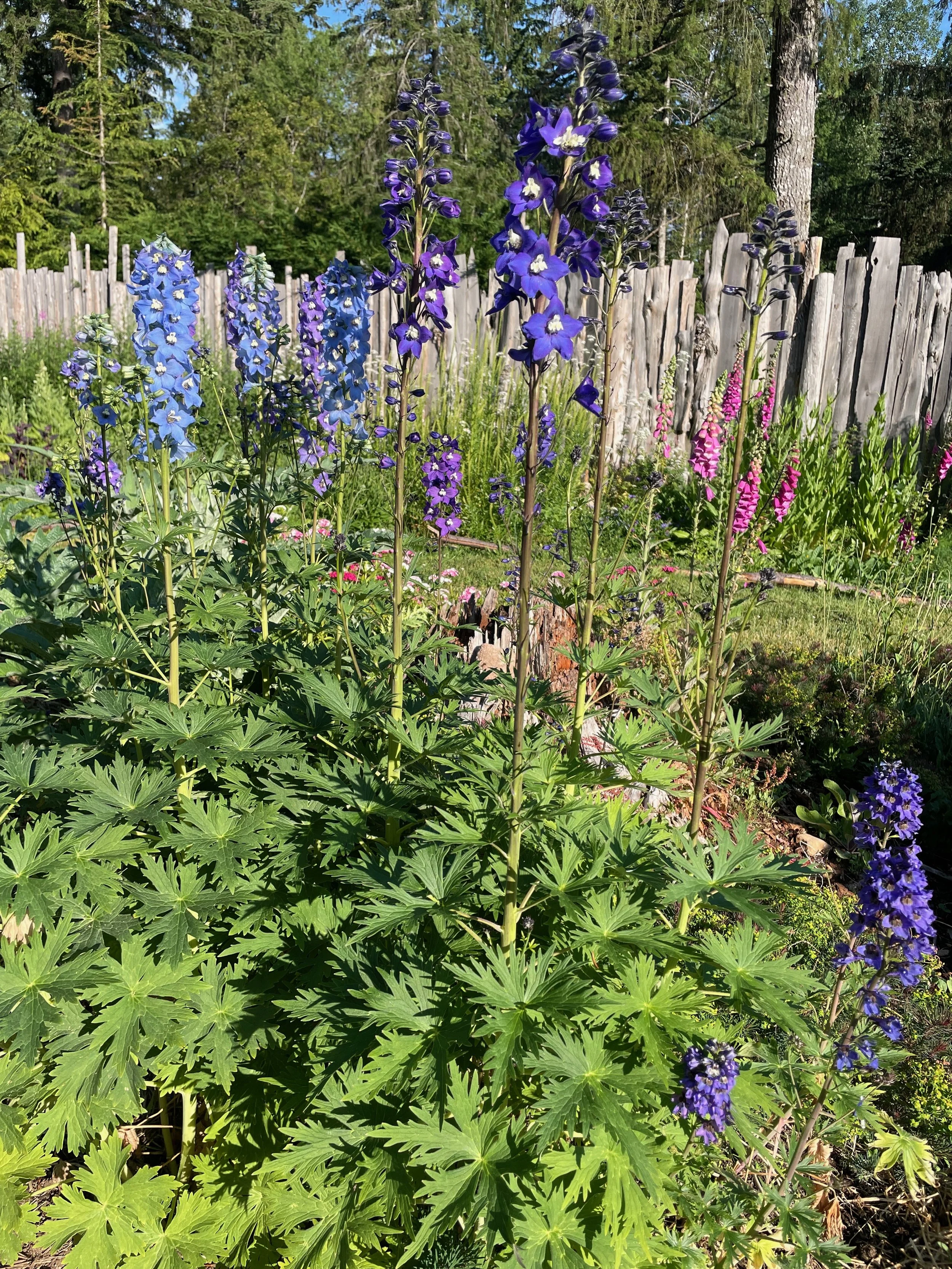 Image 4 of 7
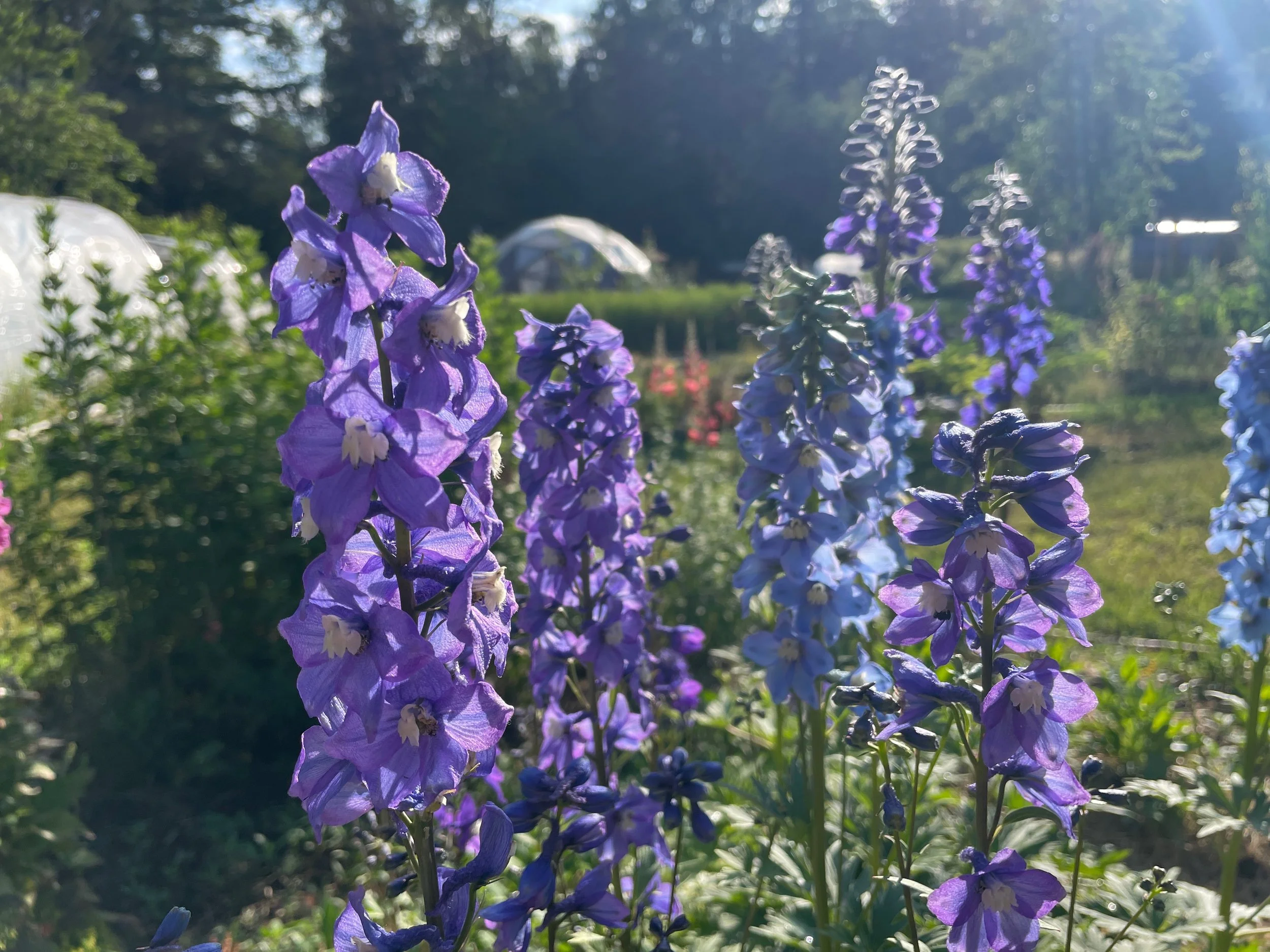 Image 5 of 7
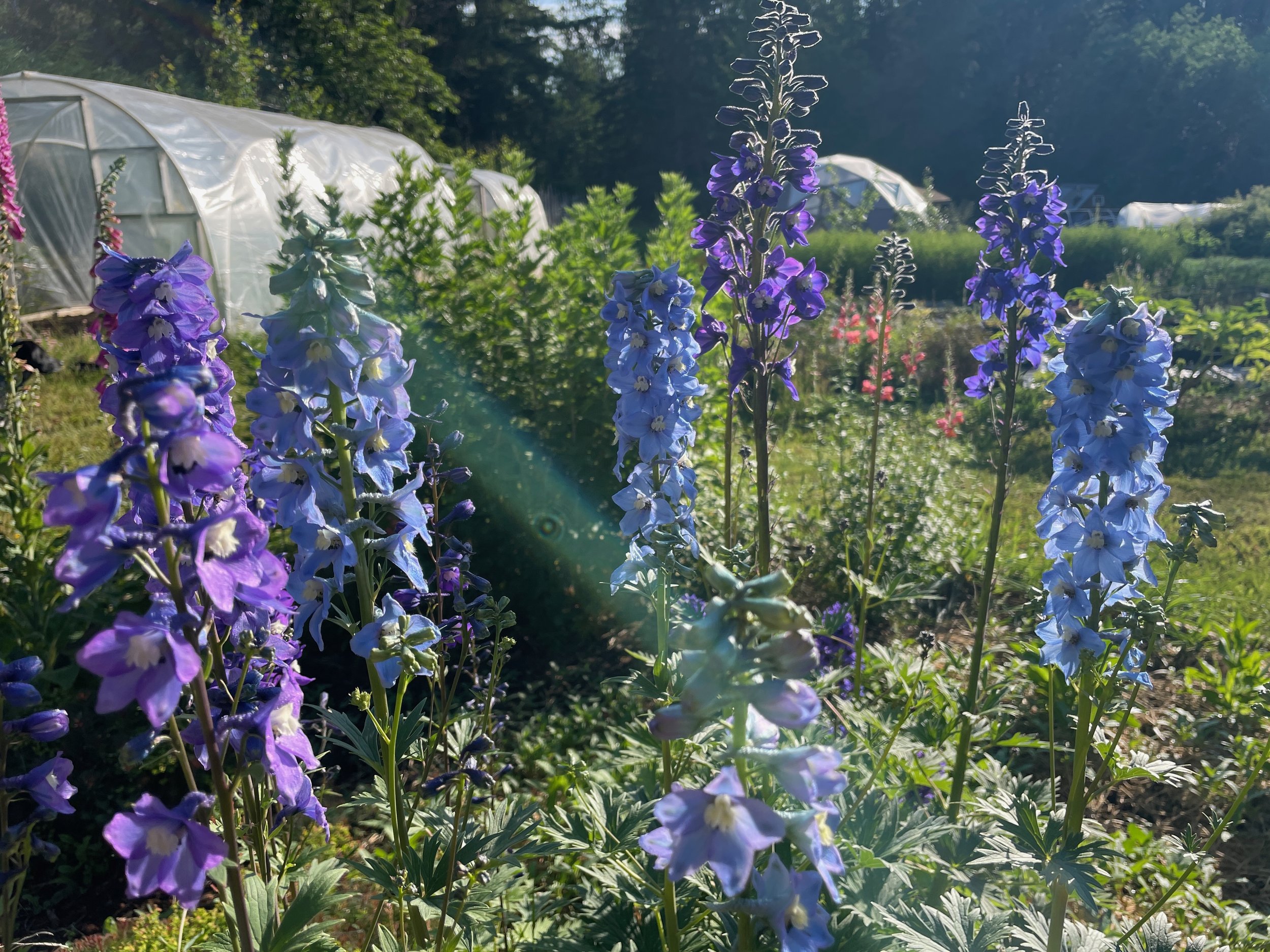 Image 6 of 7
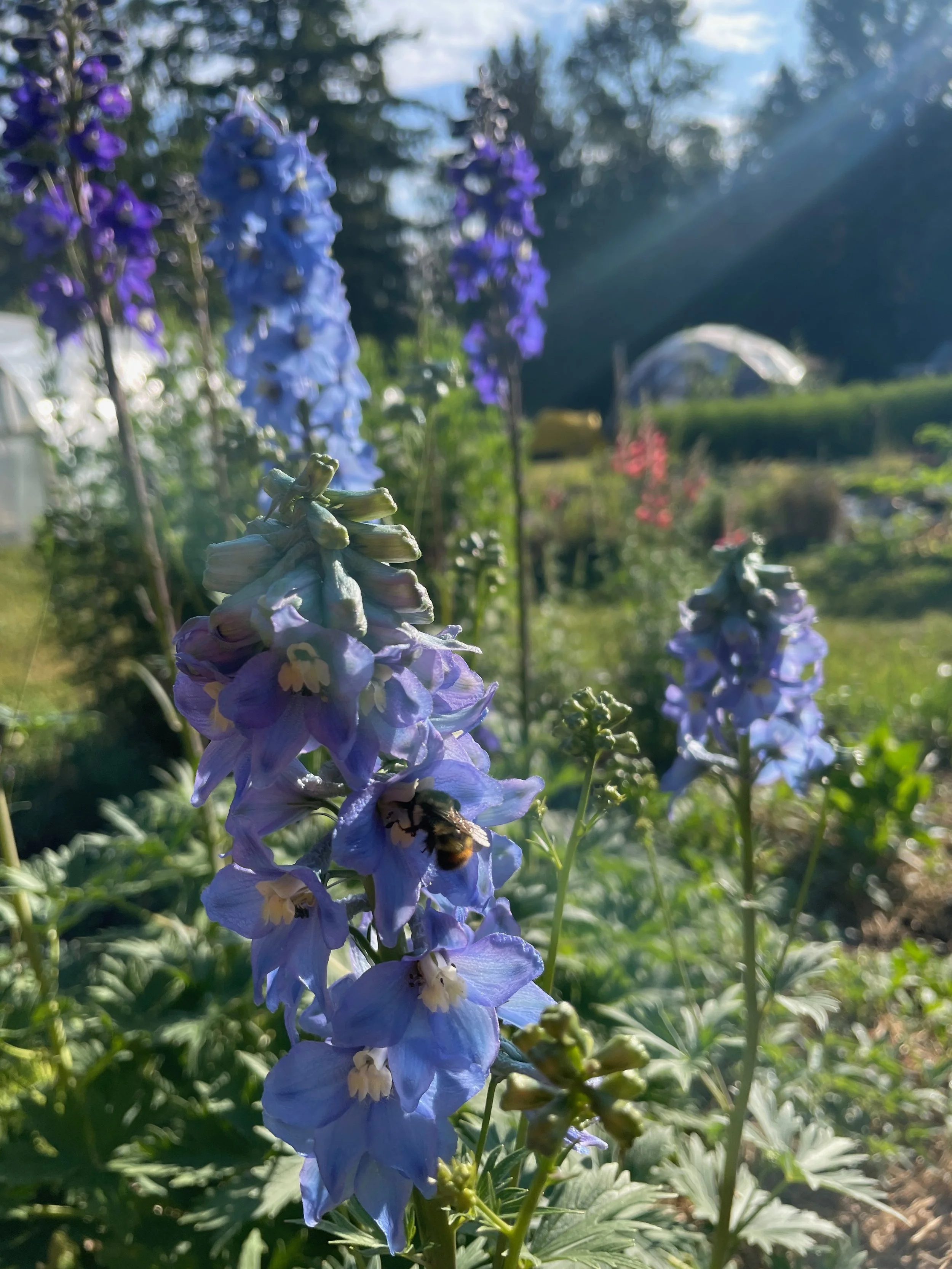 Image 7 of 7
Why Grow Delphinium?
Delphinium brings height, drama, and classic beauty to the garden. Its tall flower spikes create strong vertical structure in perennial borders and cottage gardens, pairing beautifully with roses, peonies, foxglove, and yarrow. Delphinium is also valued as a long-lasting cut flower and supports pollinators during early summer bloom.
Delphinium is also part our of Wild Beauty Cottage Garden Seed Collection.
🌱
PLANT DETAILS
Common Names
Delphinium, Tall Larkspur
Botanical Name
Delphinium elatum
Plant Family
Ranunculaceae (Buttercup Family)
Life Cycle
Perennial
Native Range
Europe and Asia
Hardiness Zone
3-8
Habit
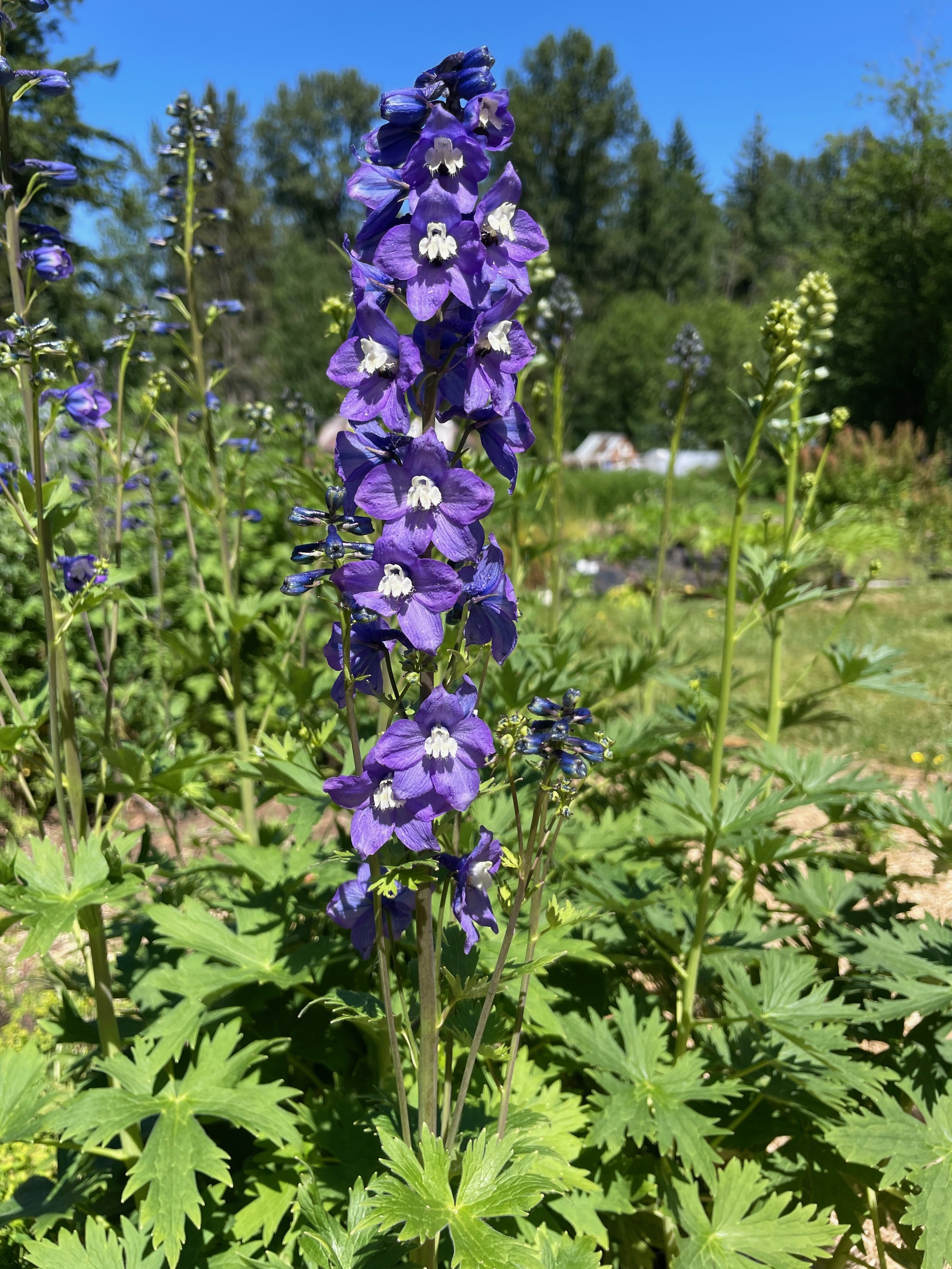
Tall, upright herbaceous perennial reaching 4–6 feet tall. Strong stems carry dramatic spires of blue to violet flowers rising above deeply lobed green foliage in early to mid-summer. A classic cottage garden and border plant, valued for its vertical form and striking presence.
Sun & Soil Requirements
Delphinium thrives in full sun to light shade and prefers rich, fertile, well-drained soil with consistent moisture. Protection from strong winds is beneficial due to its height.
Germination & Sowing Instructions
Seeds may be sown indoors in early spring or directly outdoors after danger of frost has passed. Delphinium benefits from cool soil temperatures for germination and may germinate more reliably when seeds are lightly covered and kept evenly moist. Germination typically occurs within 14–21 days under cool conditions.
Growing/Care
Provide regular watering, especially during dry periods. Taller plants benefit from staking. Cut back spent flower spikes to encourage a second bloom and cut plants to the ground in fall after flowering has finished.
Harvesting
Flowers may be harvested for cut flower use as the lower blooms begin to open. Seed can be collected once seed pods have fully matured and dried on the plant.
Culinary Uses
None known.
Medicinal Uses
Delphinium is grown for ornamental purposes only and is considered toxic if ingested.
Themes
Cottage Garden, Cut Flowers, Vertical Interest, Pollinator Plant.