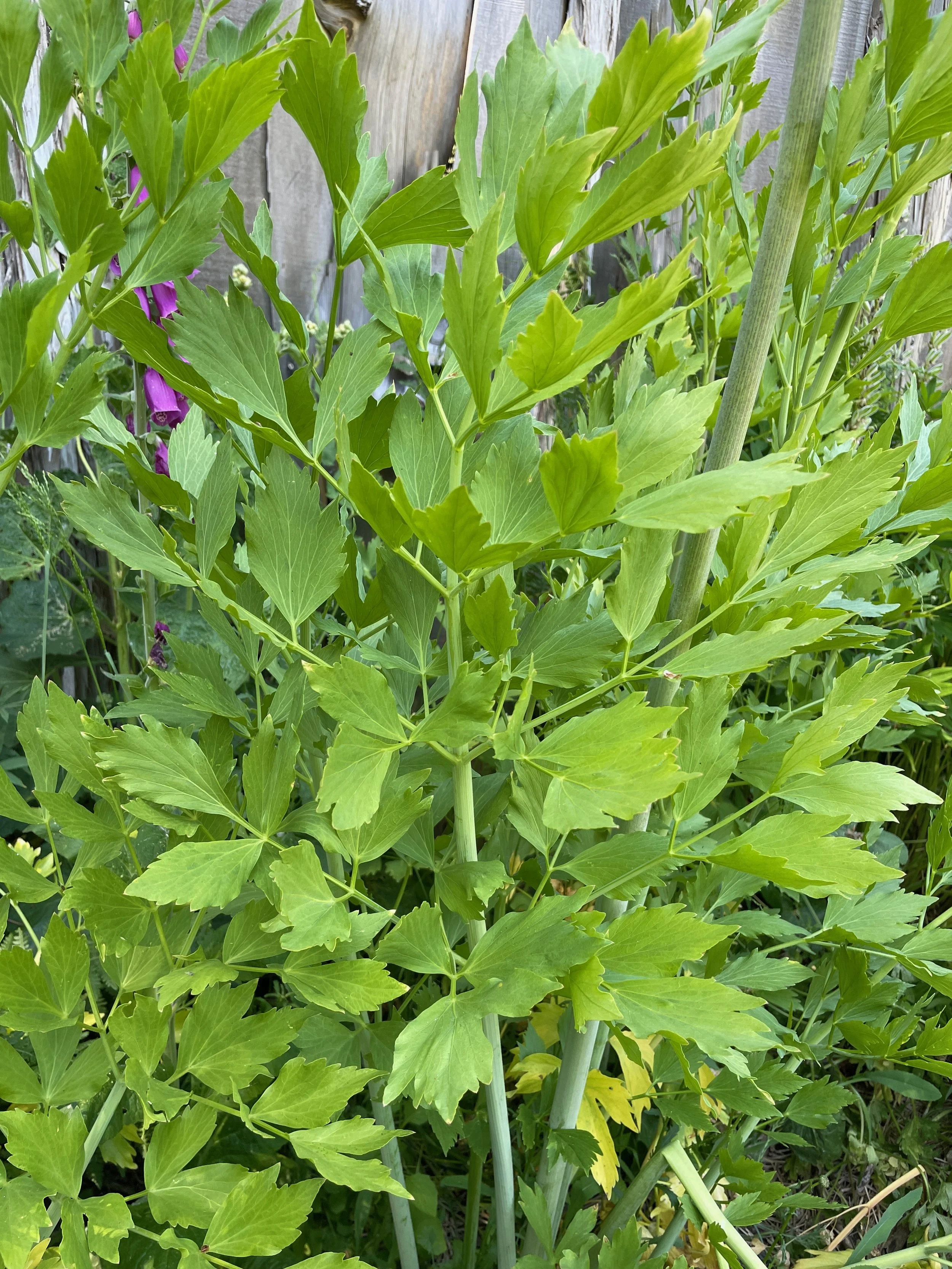
 Image 1 of 4
 Image 2 of 4
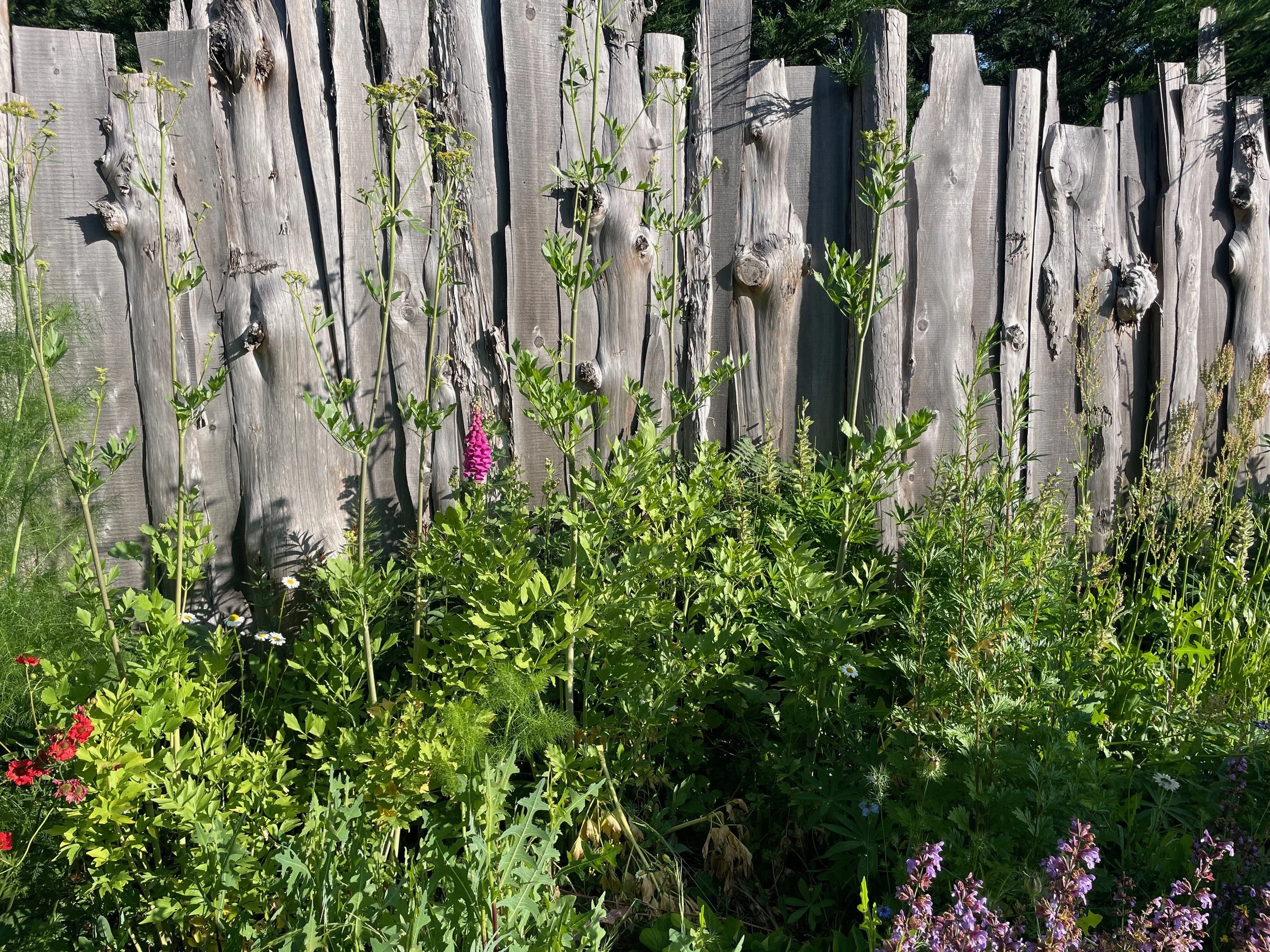 Image 3 of 4
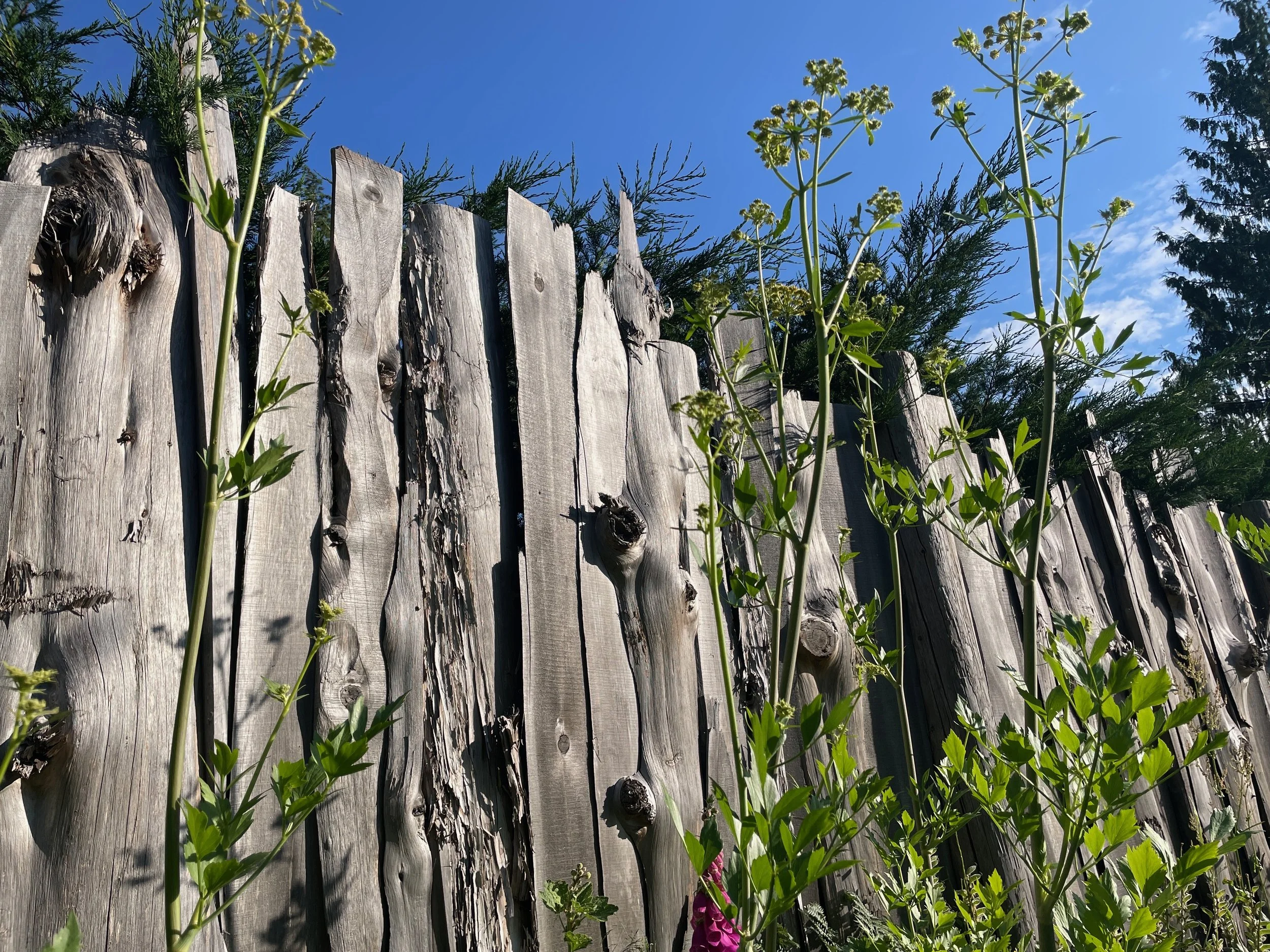 Image 4 of 4
Why Grow Lovage?
Lovage is an exceptionally resilient and generous perennial, returning each year with increasing vigour. It provides abundant aromatic leaves, stems, and seeds for culinary use and develops a deep root system that makes it drought tolerant once established. Traditionally grown in European kitchen and apothecary gardens, lovage is well suited to food forests, permaculture plantings, and home herbal gardens.
🌱
PLANT DETAILS
Common Names
Lovage
Botanical Name
Levisticum officinale
Plant Family
Apiaceae (Carrot Family)
Native Range
Southern Europe
Life Cycle
Perennial
Hardiness Zone
3–9
Habit
Large, robust herbaceous perennial reaching 5-7 feet tall. Hollow stems support lush, glossy, dark green leaves with a celery-like appearance. Umbels of small yellow flowers bloom in early to mid-summer, followed by aromatic seeds.
Sun & Soil Requirements
Lovage grows best in full sun to partial shade and prefers deep, fertile, well-drained soil with consistent moisture. Once established, it is hardy and long lived.
Germination & Sowing Instructions
Seeds are best sown in the first year after harvest, as viability declines with age. Sow indoors in early spring or direct sow outdoors once soil has warmed. Seeds typically germinate within 10–20 days under favourable conditions.
Growing & Care
Low maintenance but benefits from regular watering during dry periods. Due to its height, plants may need shelter from strong winds. Cut back after flowering to encourage fresh leaf growth. Once established, lovage is highly resilient and long lived.
Harvesting
Leaves can be harvested throughout the growing season. Stems, seeds, and roots may also be harvested, depending on use. Seed heads are collected when fully mature and dry.
Culinary Uses
Leaves, stems, and seeds are used as a culinary herb with a strong celery-like flavour. Traditionally used in soups, broths, stocks, and savoury dishes, lovage is valued for adding depth and richness to cooking.
Medicinal Uses
Lovage has a long history of use in European herbal medicine and was traditionally valued for supporting digestion, kidney function, and gentle detoxification. Roots, leaves, and seeds have all been used in herbal preparations.
Themes
Apothecary Garden, Culinary Herb, Tall Perennial, Traditional European Herb.