 Image 1 of 4
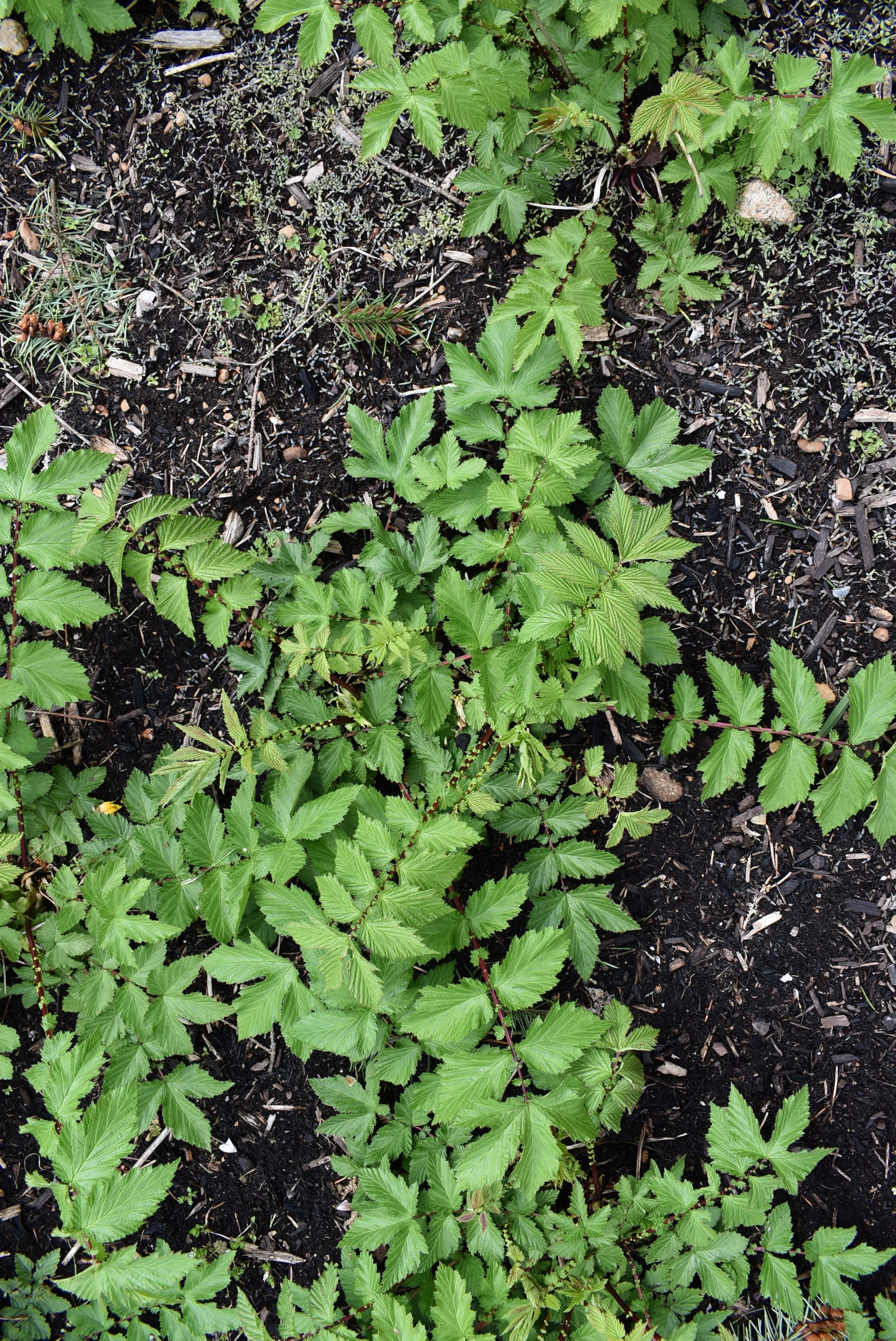 Image 2 of 4
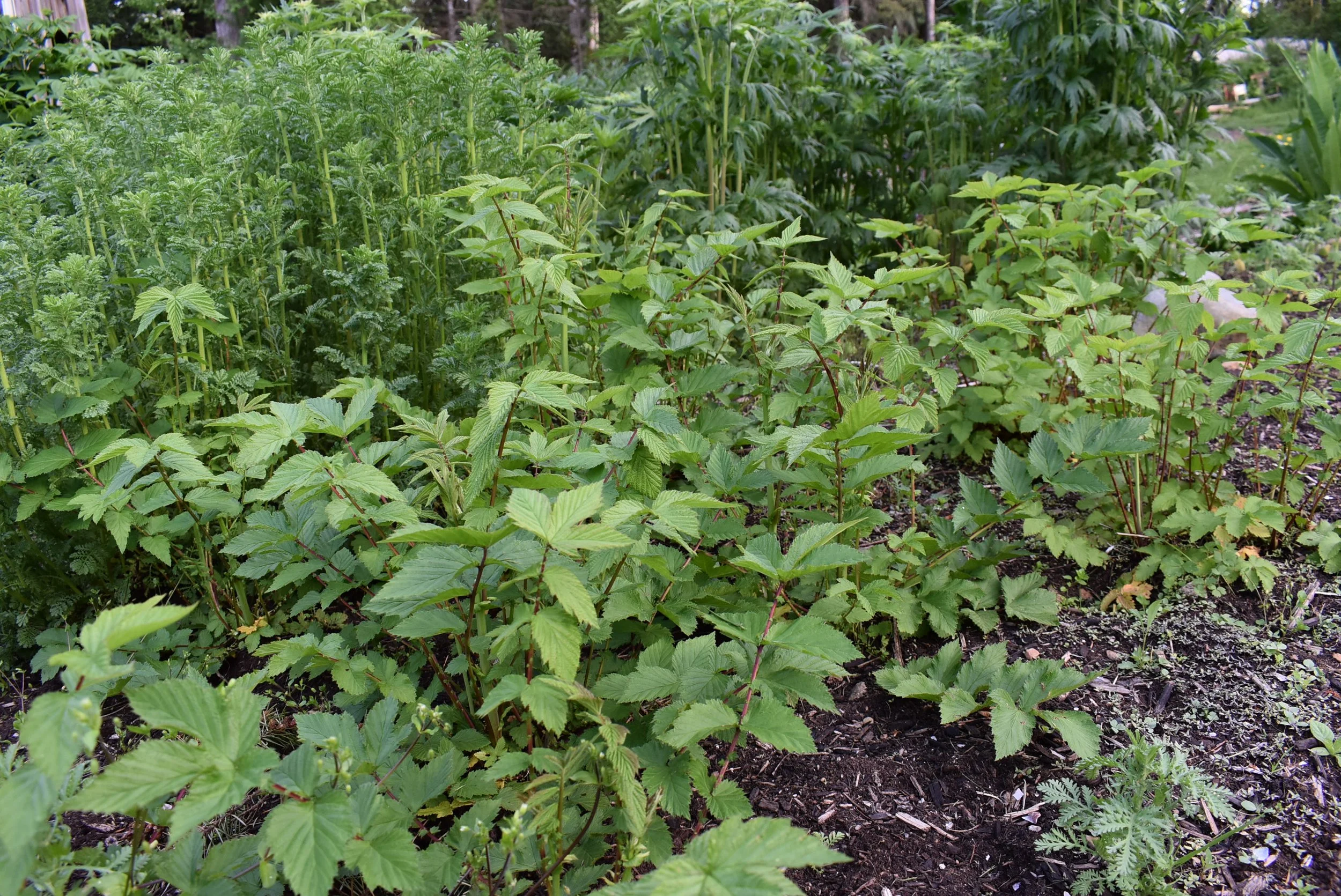 Image 3 of 4
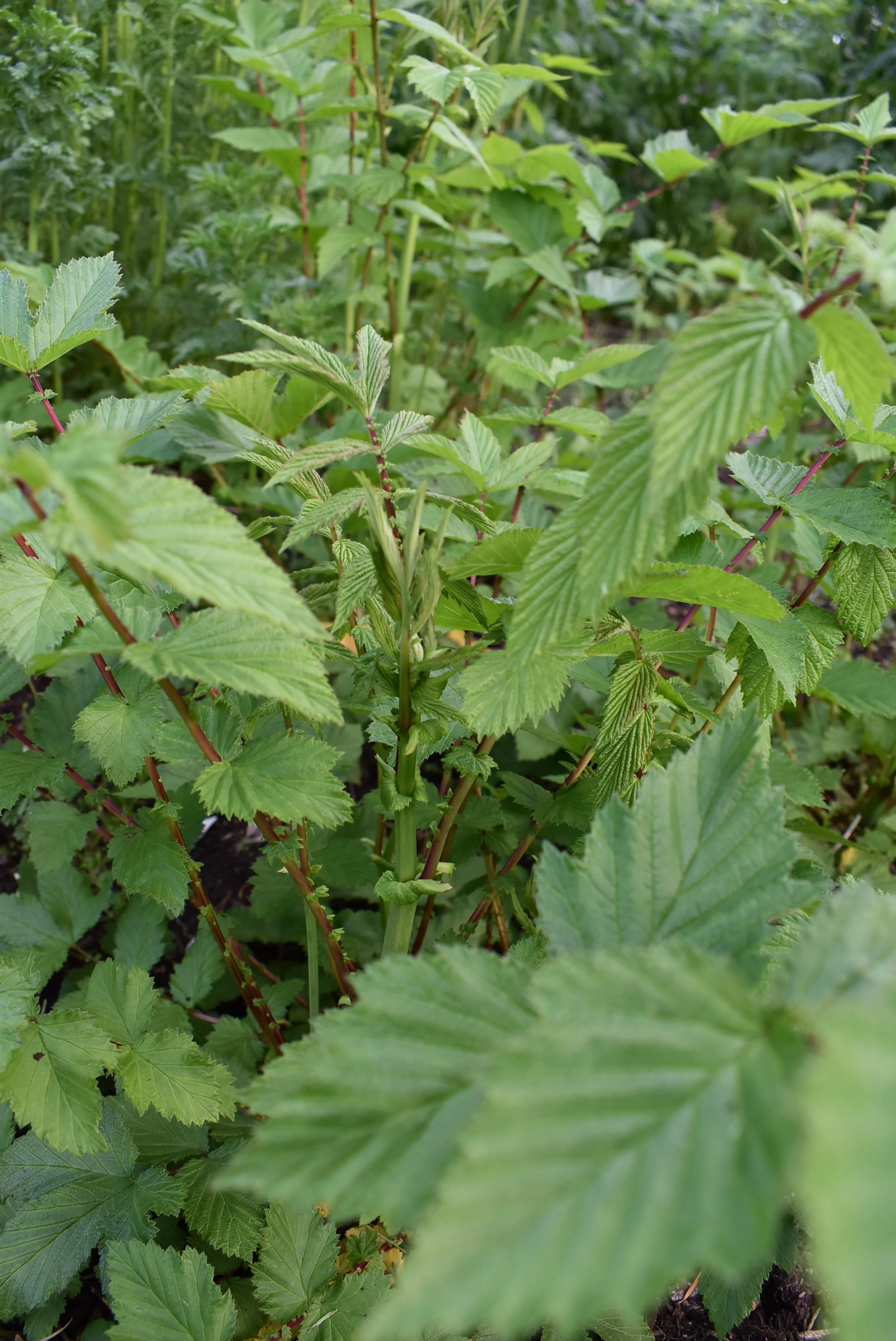 Image 4 of 4
Why Grow Meadowsweet?
Meadowsweet is an ideal plant for gardeners working with moist soils, rain gardens, or damp meadow conditions. Beyond its ornamental beauty and pollinator value, it holds an important place in European herbal traditions and is especially meaningful when grown at home. Its tall, graceful habit adds structure to naturalistic plantings while supporting biodiversity and traditional apothecary gardens.
🌱
PLANT DETAILS
Common Names
Meadowsweet, Queen of the Meadow
Botanical Name
Filipendula ulmaria
Plant Family
Rosaceae (Rose Family)
Native Range
Europe and Western Asia
Life Cycle
Perennial
Hardiness
Zone3–9
Habit
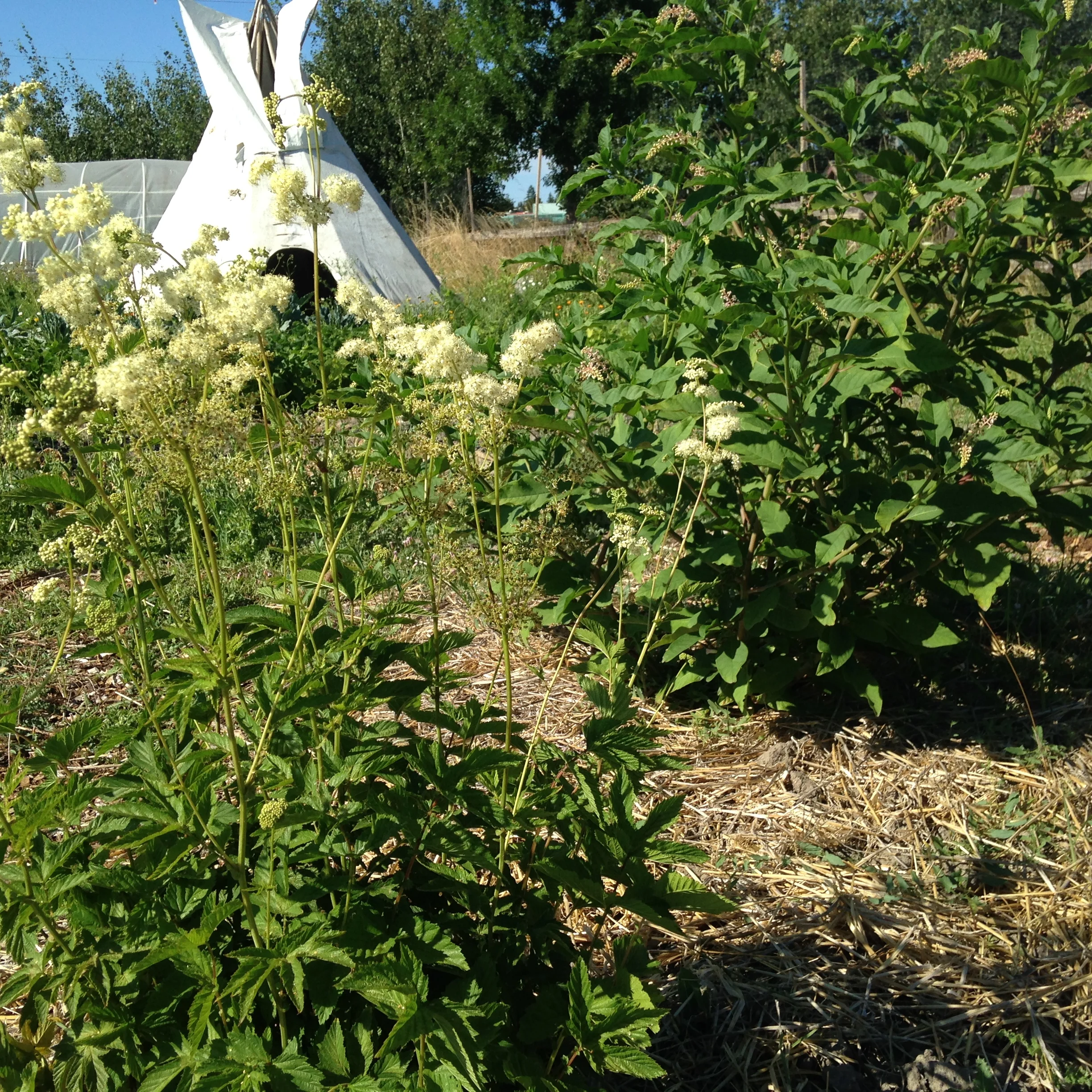
Clump-forming herbaceous perennial reaching 3–5 feet tall. Deeply veined, serrated leaves form a lush basal mound, while airy plumes of creamy-white, sweetly fragrant flowers rise above the foliage in early to mid-summer. Attractive to pollinators.
Sun & Soil Requirements
Meadowsweet prefers full sun to partial shade and thrives in consistently moist, rich soils. Well suited to damp meadows, stream edges, and rain gardens. Tolerates heavier soils provided moisture is available.
Germination & Sowing Instructions
Seeds may be sown outdoors in fall or early spring. Cold stratification improves germination. Surface sow or lightly press seeds into the soil, as light aids germination. Seeds may take 30 days or more to germinate; patience is required.
Growing & Care
Low maintenance when grown in appropriate moisture conditions. Water regularly during dry periods. Plants may be cut back in fall or left standing through winter for garden structure and wildlife benefit.
Harvesting
The aerial parts are traditionally harvested when in full bloom in early to mid-summer.
Culinary Uses
Flowers have been traditionally used to flavour meads, wines, and vinegars, and can be infused into syrups or cordials. The leaves have been used sparingly as a flavouring due to their strong taste.
Medicinal Uses
Meadowsweet has a long history of use in European herbal traditions. It was traditionally valued for its ability to support healthy digestion and soothe discomfort associated with inflammation. The plant contains naturally occurring salicylates and has been used as a gentler alternative to synthetic aspirin. Meadowsweet has been used to ease digestive irritation, support joint comfort, and promote gentle elimination. It has also been employed in traditional remedies for fevers and colds.
Themes
Apothecary Garden, Medicinal Herb, Pollinator Plant, Rain Garden, Traditional European Herbalism.