 Image 1 of 7
 Image 2 of 7
 Image 3 of 7
 Image 4 of 7
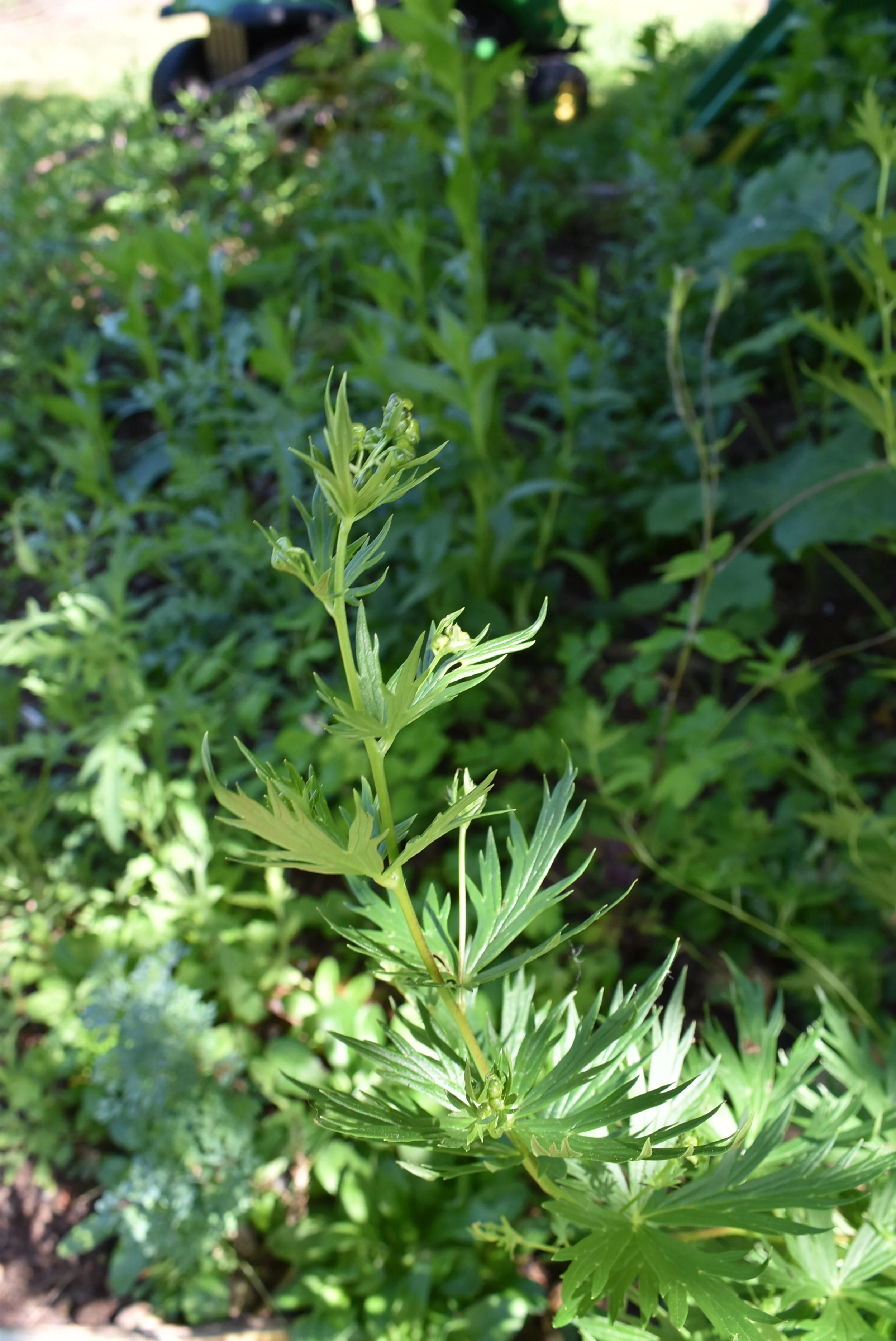 Image 5 of 7
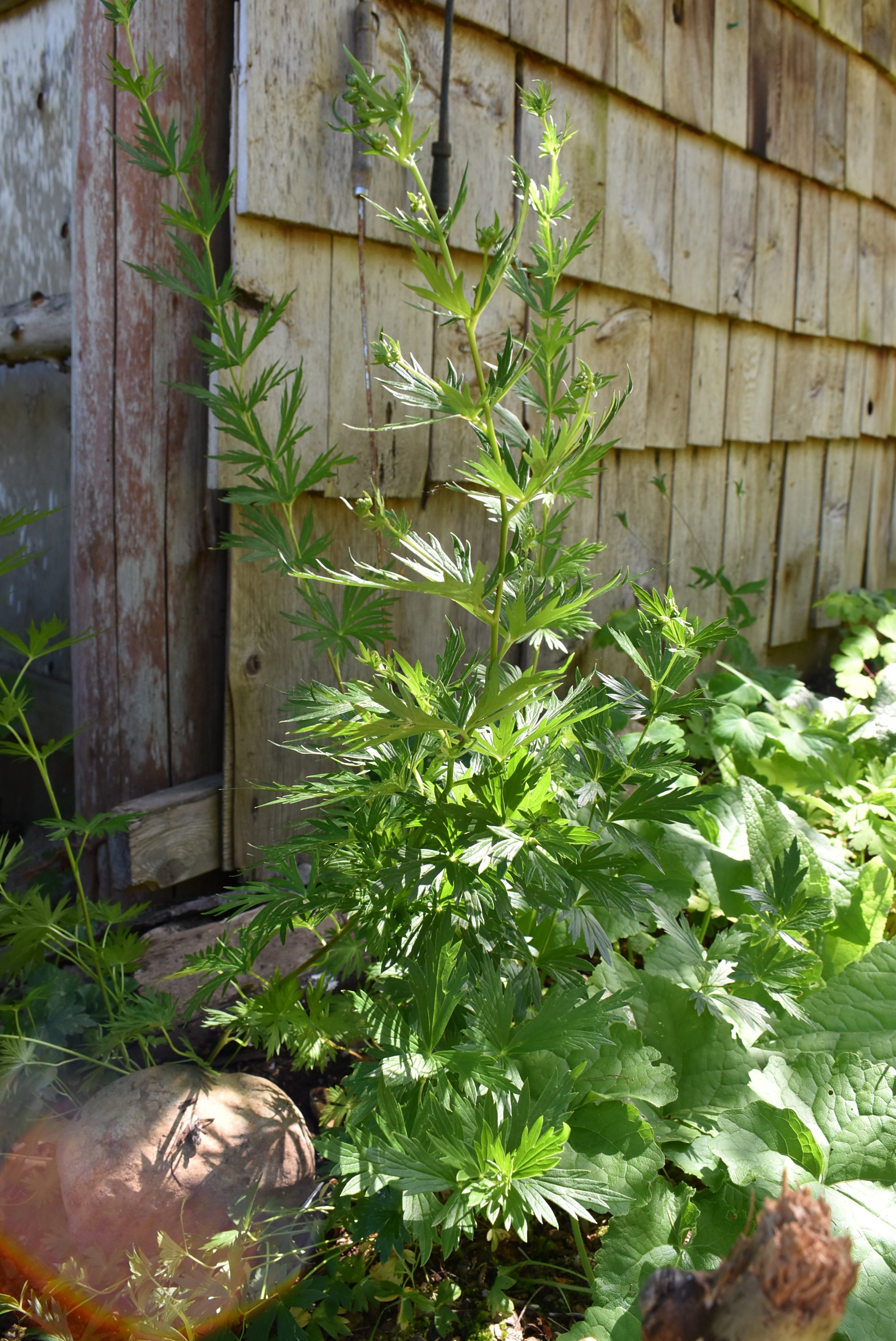 Image 6 of 7
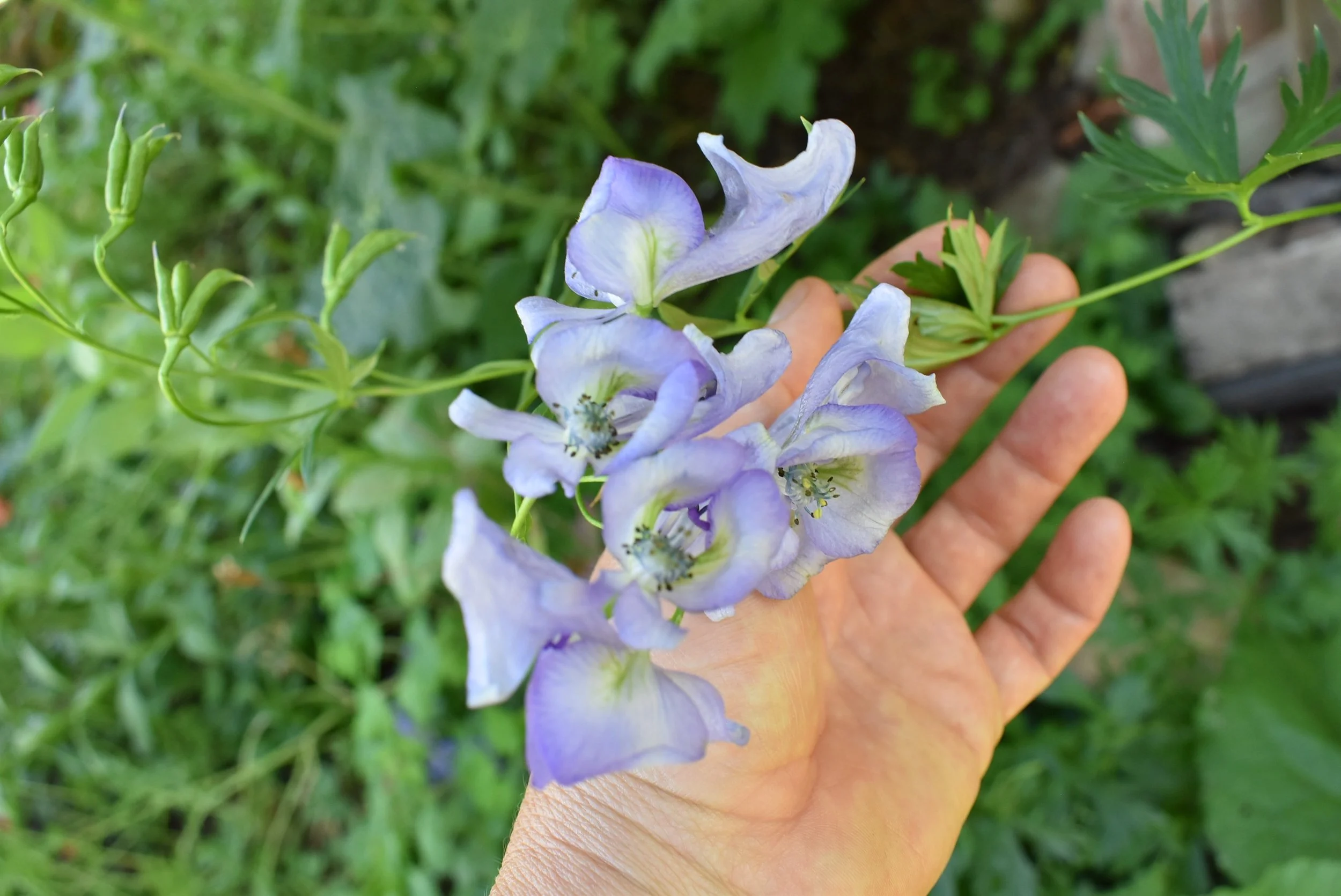 Image 7 of 7
Why Grow Monkshood?
Monkshood is grown today for its exceptional ornamental beauty and historical significance rather than for practical use. Its tall flowering spikes add vertical drama to woodland and cottage gardens, and its late-season blooms provide colour when many other perennials are fading. Monkshood is especially valued by gardeners interested in historic, medieval, or botanical collections.
🌱
PLANT DETAILS
Common Names
Monkshood, Aconite, Wolfsbane.
Botanical Name
Aconitum napellus
Plant Family
Ranunculaceae (Buttercup Family)
Life Cycle
Perennial
Native Range
Europe
Hardiness Zone
3-9
Habit
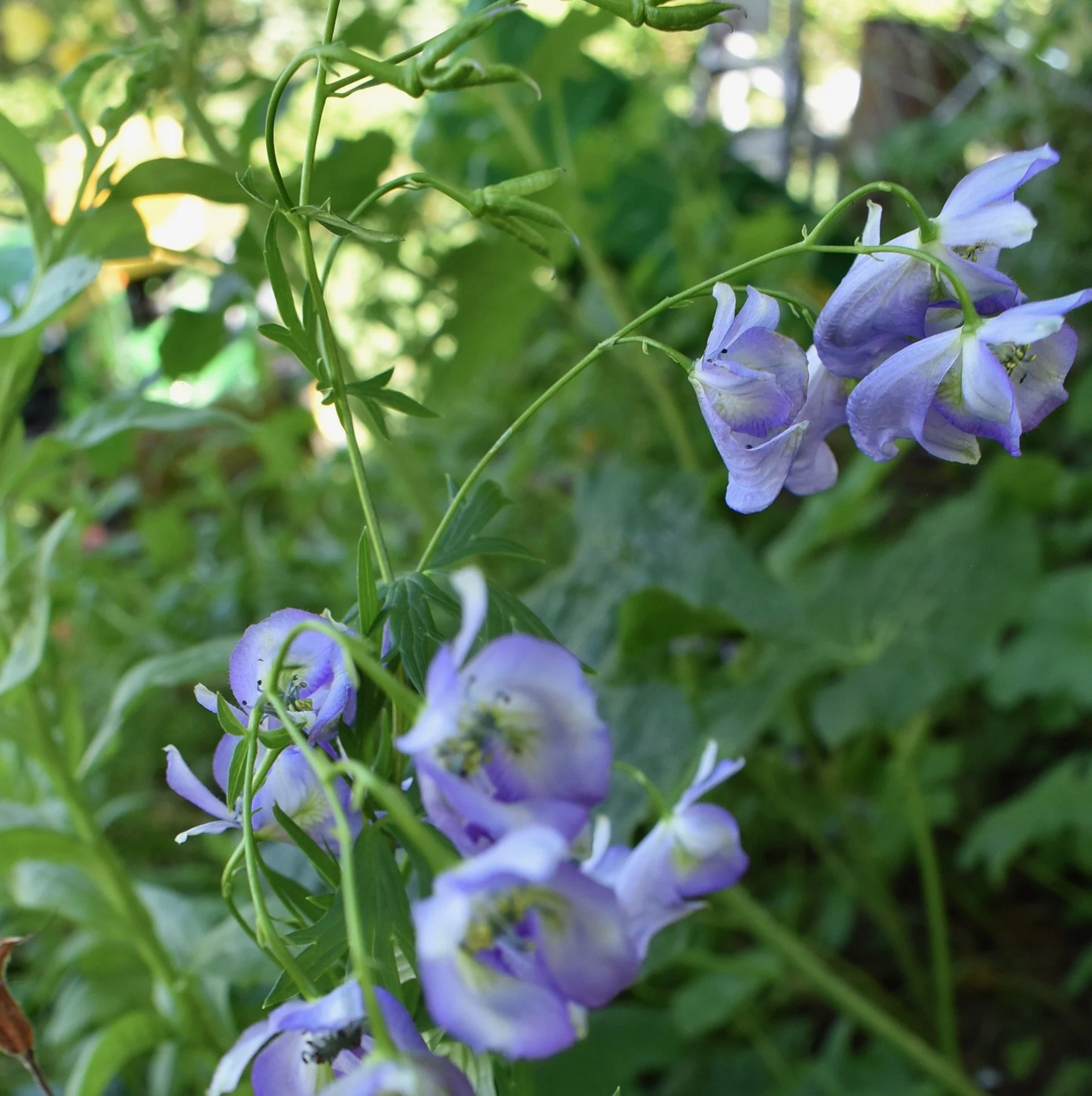
Upright herbaceous perennial growing 3–5 feet tall. Produces tall spires of deep blue to violet, hood-shaped flowers in mid to late summer. Bold architectural form makes it a striking presence in perennial borders and woodland gardens.
Sun/Soil
Prefers partial shade but tolerates full sun in cooler climates. Thrives in rich, moist, well-drained soil and benefits from consistent moisture. Well suited to woodland edges and shaded perennial beds.
Germination/Sowing
Seeds benefit from cold stratification and may take several weeks to germinate. Sow outdoors in fall or early spring, or provide a cold-moist stratification period before spring sowing. Germination can be slow and irregular.
Growing/Care
Keep soil evenly moist, especially during dry periods. Tall flower spikes may require staking in windy sites. All parts of the plant are highly toxic—wear gloves when handling and keep plants away from children and pets.
Harvesting
Not harvested. Grown strictly as an ornamental.
Culinary Uses
All plant parts are toxic.
Medicinal Uses
Historically, very small, carefully prepared doses of Aconitum were used in classical and professional herbal traditions for severe pain, neuralgia, and acute inflammatory conditions. However, the line between a “dose” and a fatal poisoning is extremely narrow. All parts of the plant—especially the roots—contain potent alkaloids that can cause serious heart and nerve toxicity, even through skin contact.
Themes
Woodland Garden, Attracts Pollinators, Deer Resistant, Container Garden, Low Maintenance.