 Image 1 of 7
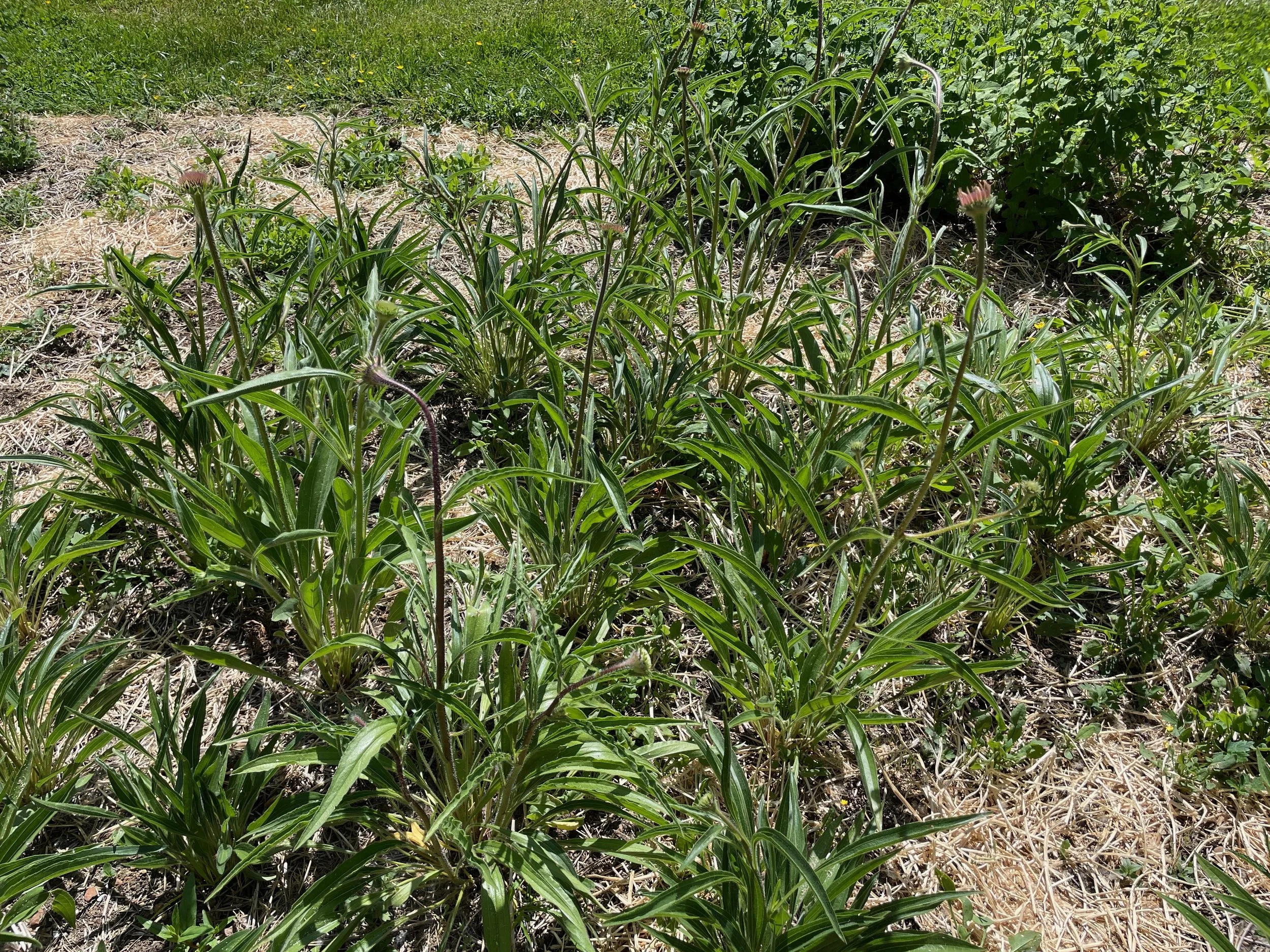 Image 2 of 7
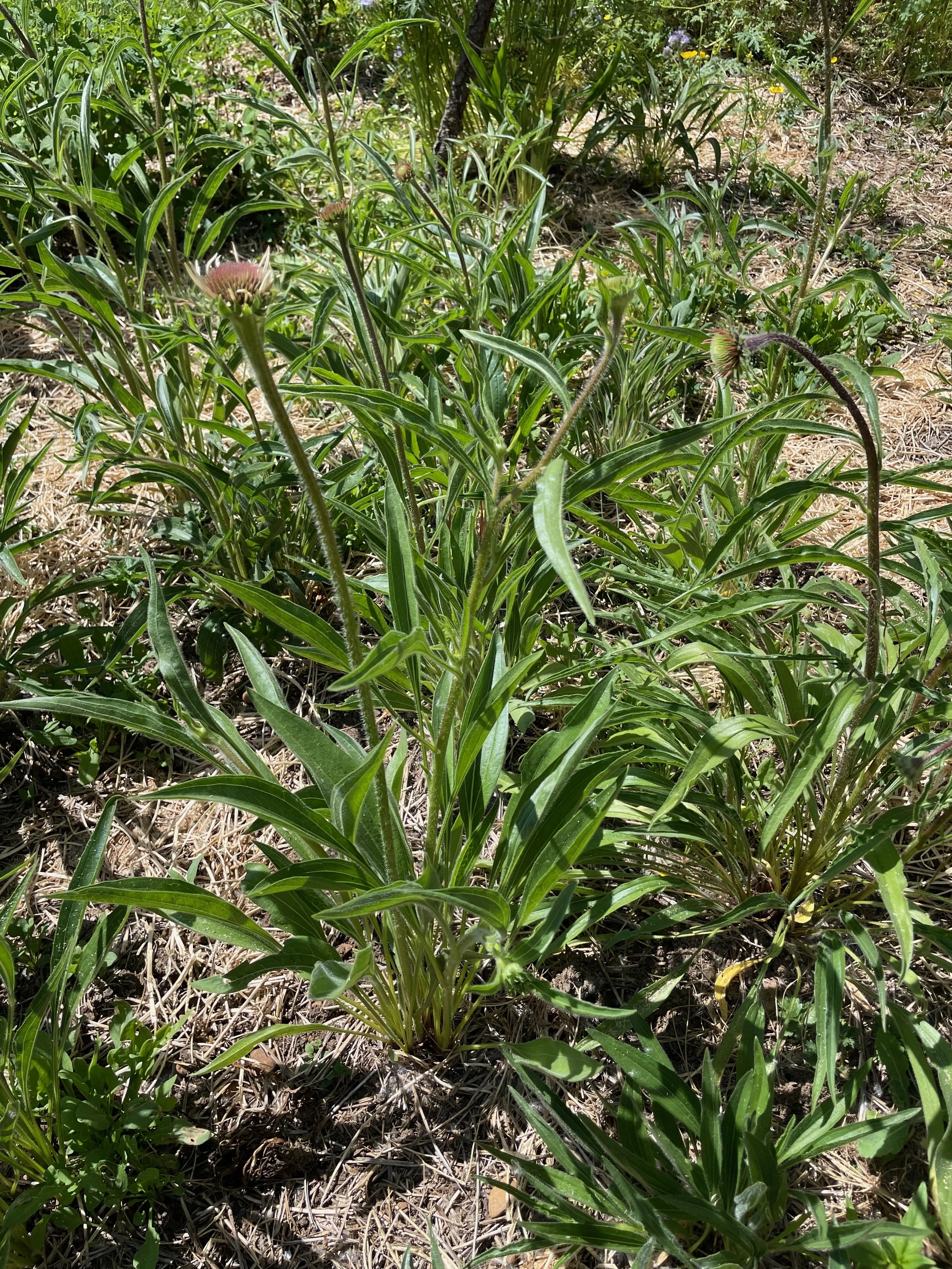 Image 3 of 7
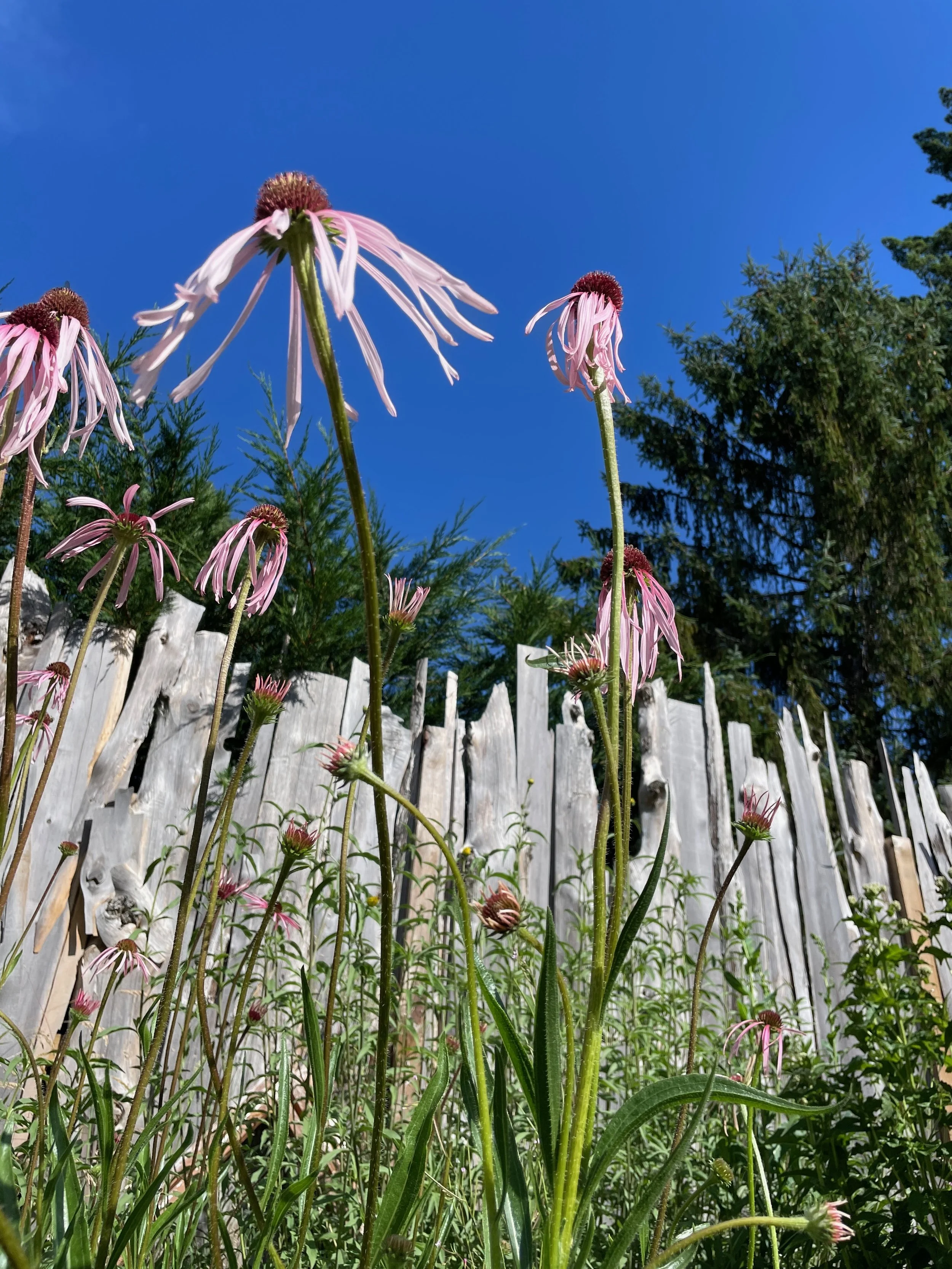 Image 4 of 7
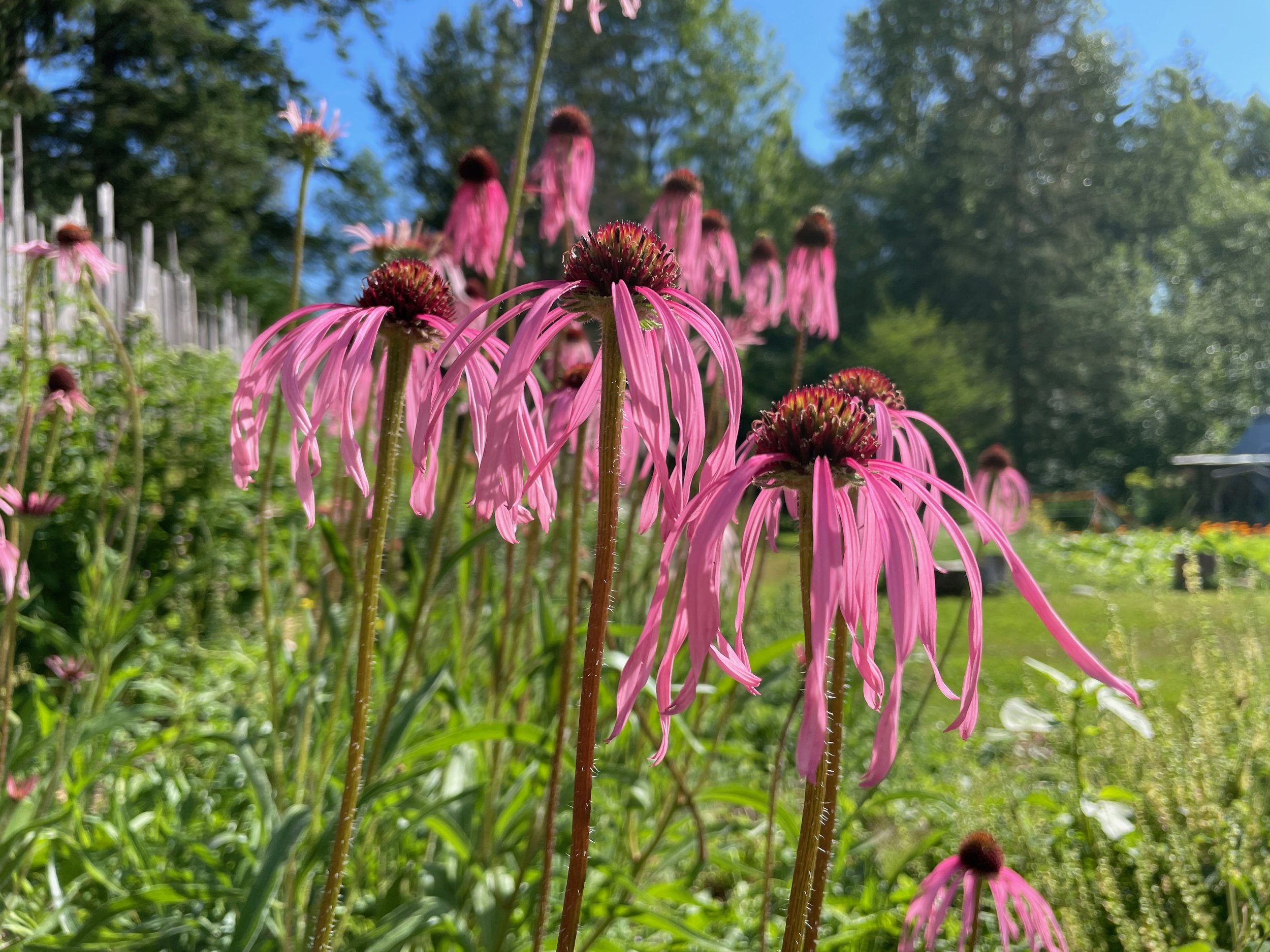 Image 5 of 7
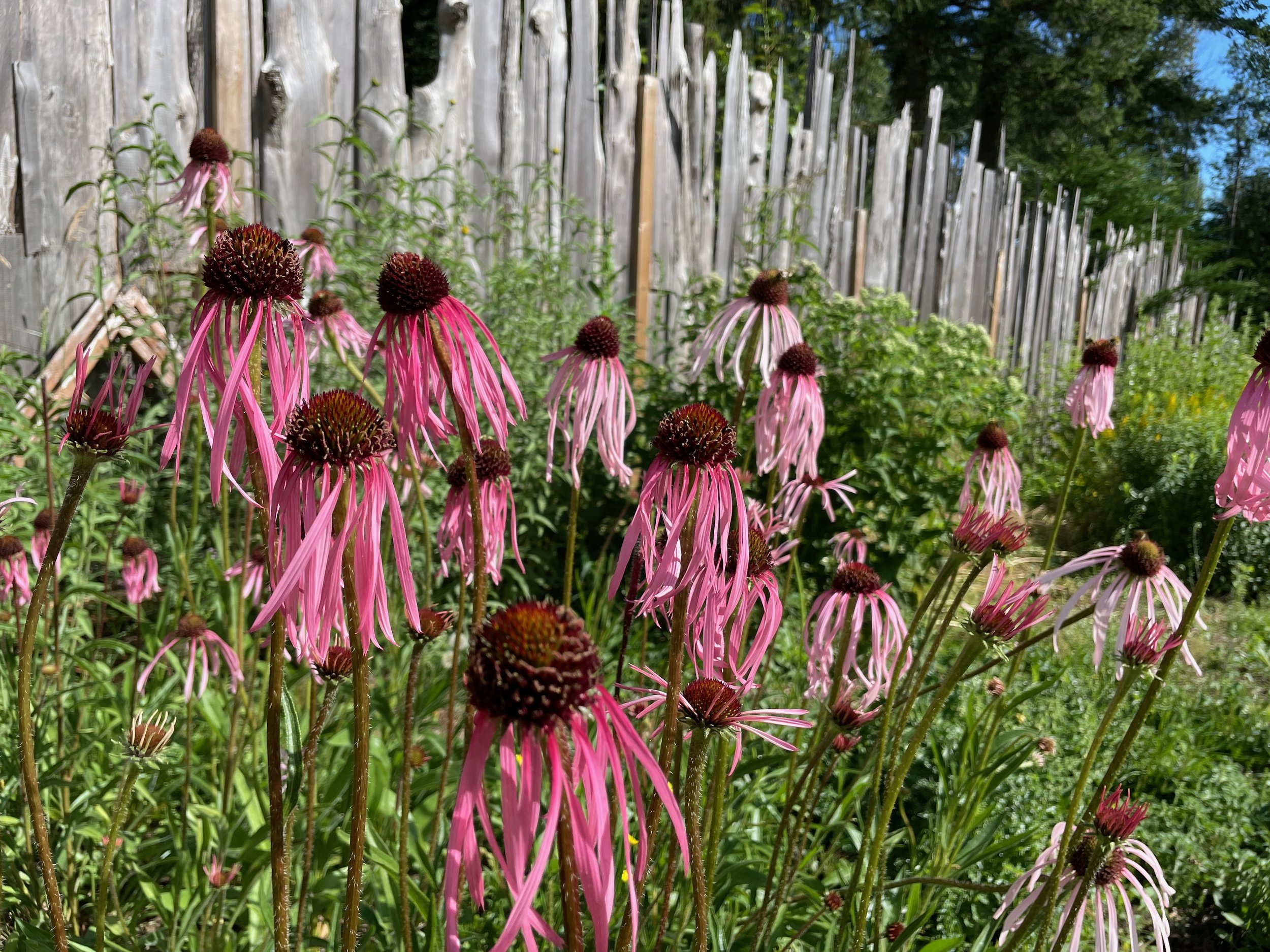 Image 6 of 7
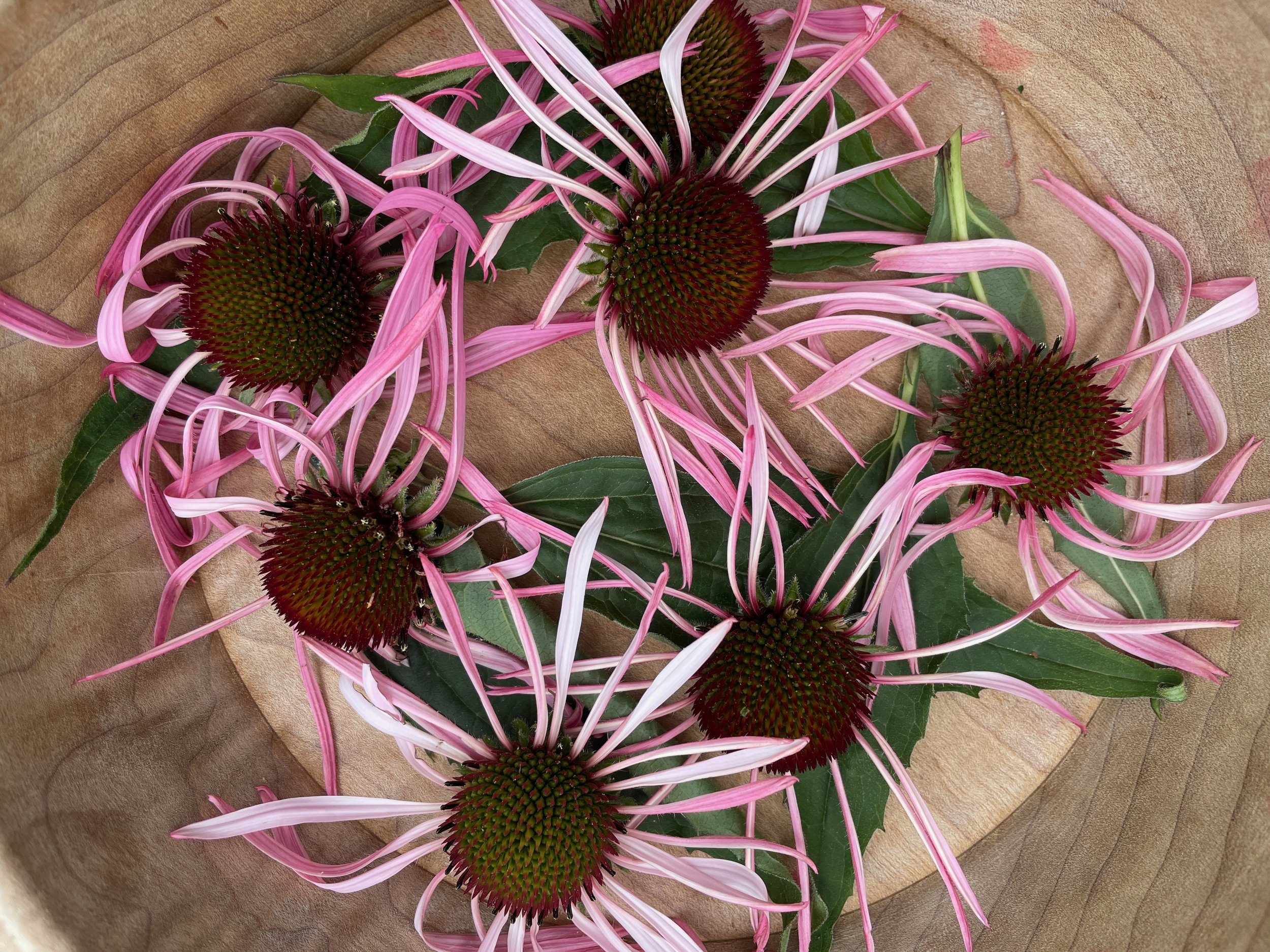 Image 7 of 7
Why Grow Pale Purple Coneflower?
Echinacea pallida offers a softer, more refined expression of the classic coneflower while retaining deep ecological and herbal significance. Highly attractive to pollinators and well suited to meadow and prairie-style gardens, this species is also valued in traditional herbal practice. Growing echinacea from seed supports conservation efforts by reducing pressure on wild populations.
🌱
PLANT DETAILS
Common Names
Pale Purple Coneflower
Botanical Name
Echinacea pallida
Plant Family
Asteraceae (Daisy Family)
Native Range
Eastern US
Life Cycle
Perennial
Hardiness Zone
3-10
Habit
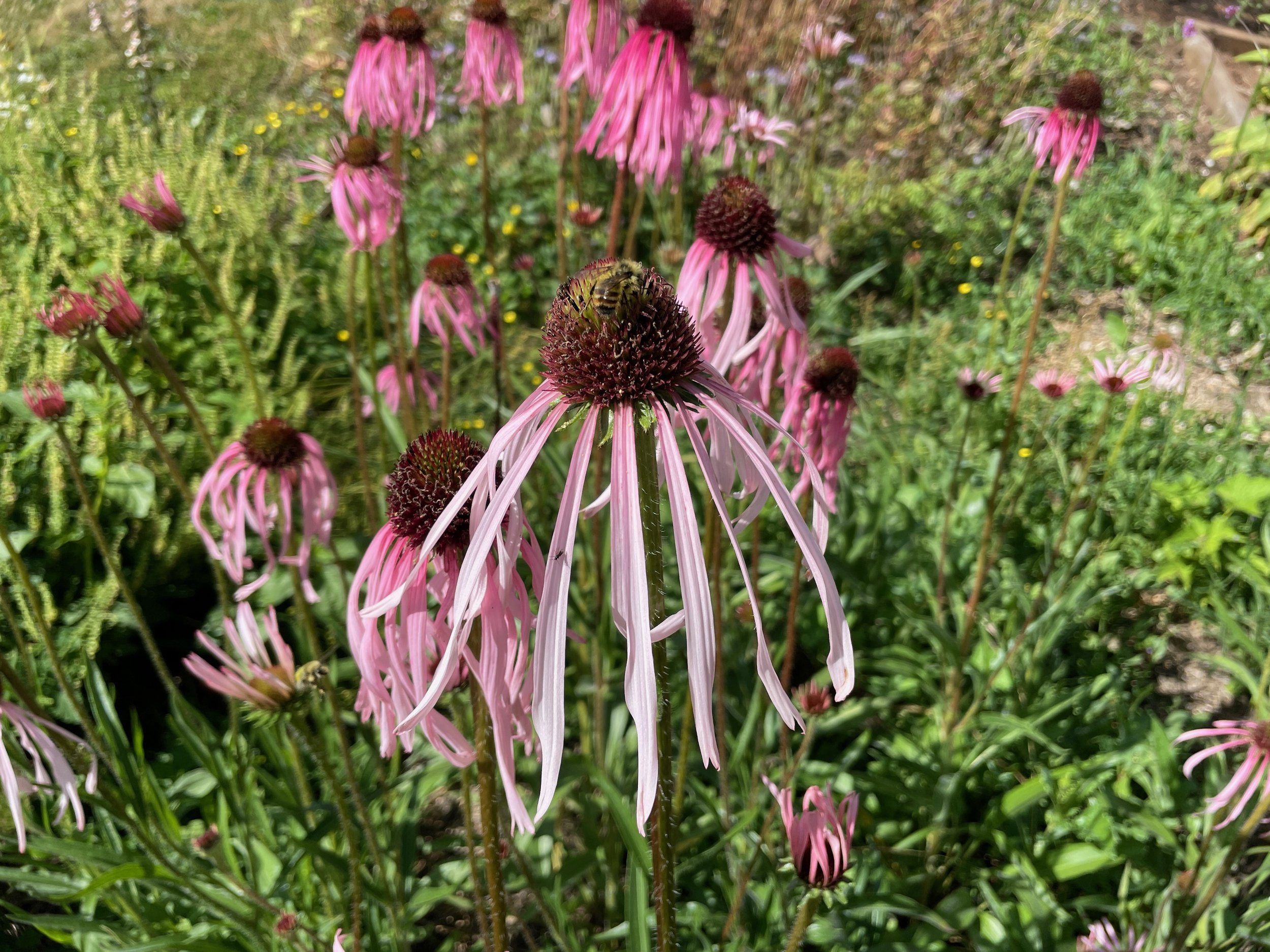
Clump-forming herbaceous perennial to about 3.5-4 feet tall. Showy, thin pale pink-purple flower petals, gracefully hang like tassels, very attractive perennial pollinator. Blooms from late spring to midsummer.
Sun/Soil
Echinacea enjoys the dappled shade found in meadows and prairies. In the garden it does well in most soils, and will be quite drought tolerant once established.
Germination/Sowing
Seeds germinate easily when started in flats in spring and then transplanted out once the seedlings are big enough and the soil has warmed.
Growing/Care
They may require regular waterings during the dry season. The plants can be cut back to the ground in the fall time.
Harvesting
Both the flower heads and the roots are medicinally valuable. The flowers can be collected as they open during the summer months. The root is best harvested after the second or third year in the fall.
Many of the Echinacea species have become threatened from over-harvesting in the wild, as such it is best to grow this herb yourself or source it from farms rather than from the wild.
Culinary Uses
None known.
Medicinal Uses
Echinacea is one of the most effective detoxifying herbs available in the Western materia medica. It was used primarily for the purpose of detoxifying the blood and lymph long before it became popular as an immune system booster.
Echinacea acts as a herbal antibiotic both internally and topically. It strengthens the immune system making it more effective against infection. It is especially useful for infections of the upper respiratory tract, such as from cold and flu. It is also a good remedy for toothaches, and can be used as a mouthwash to reduce bacterial build up and encourage healthy tissue growth.
The flowers, seeds, or roots, when chewed cause a mouth tingling sensation similar to that of Spilanthes (Acmela oleracea).
Themes
Apothecary Garden, Low Maintenance, Attracts Pollinators, Cut Flowers, Container Garden, Woodland Garden.