 Image 1 of 6
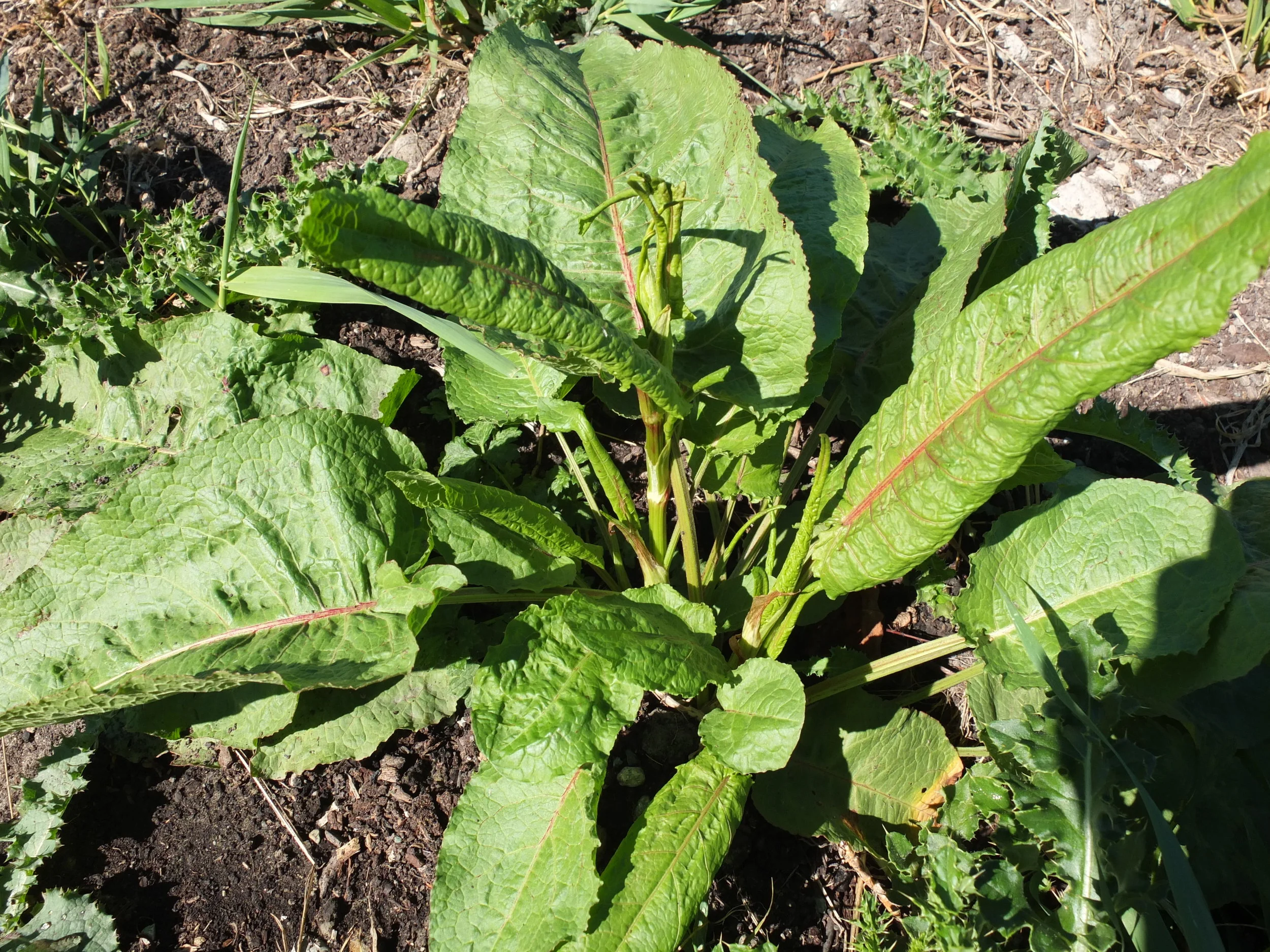 Image 2 of 6
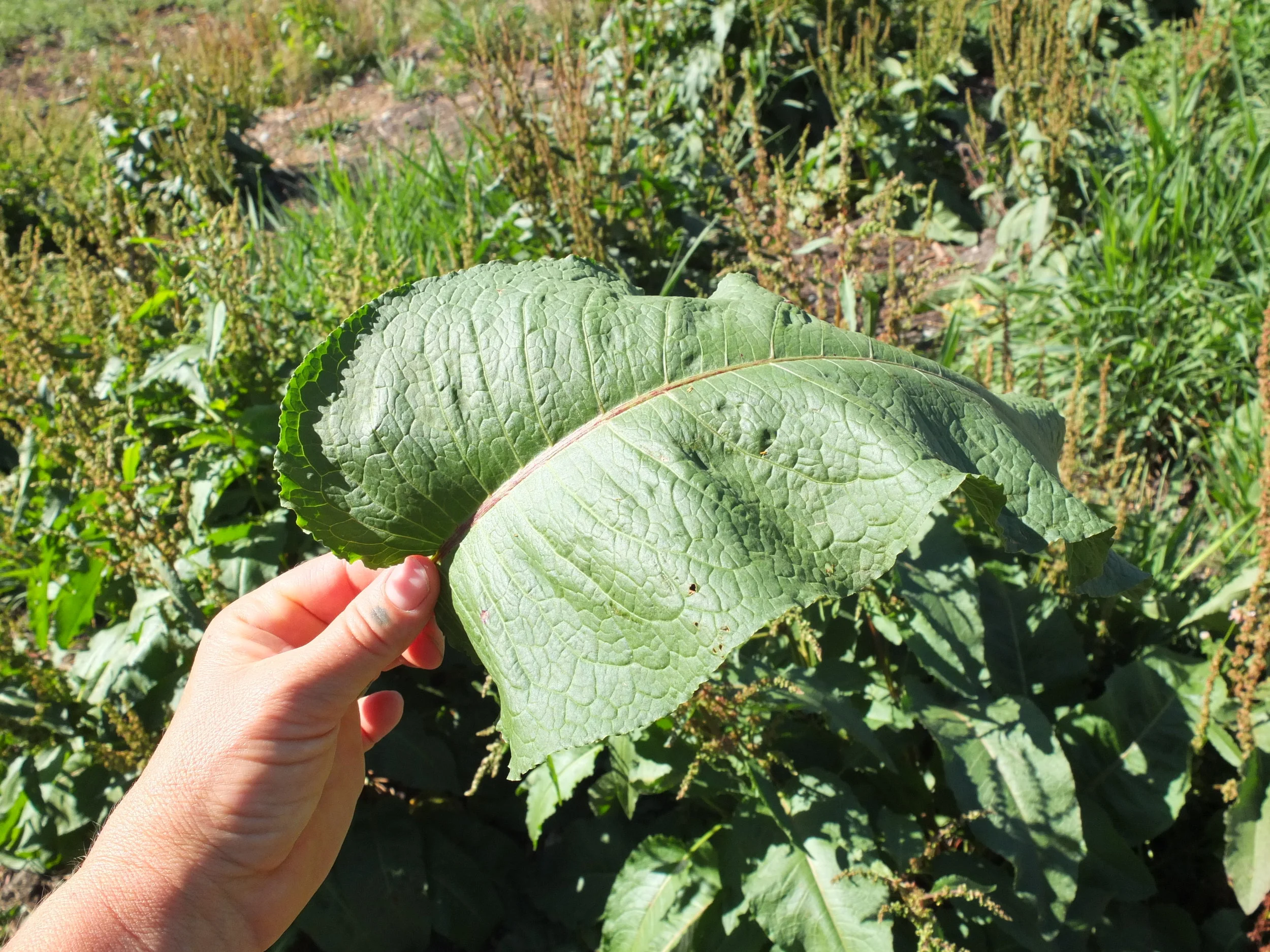 Image 3 of 6
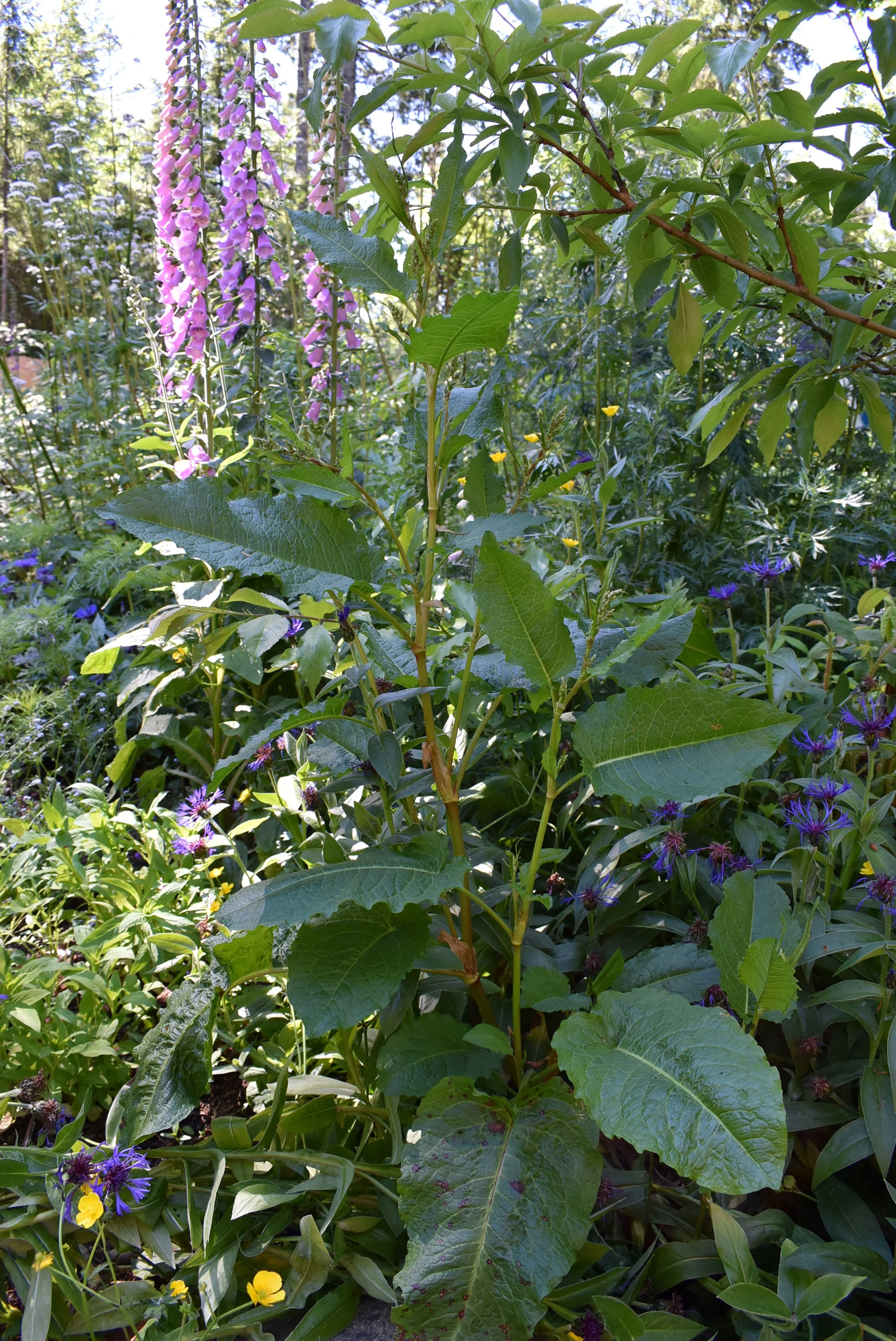 Image 4 of 6
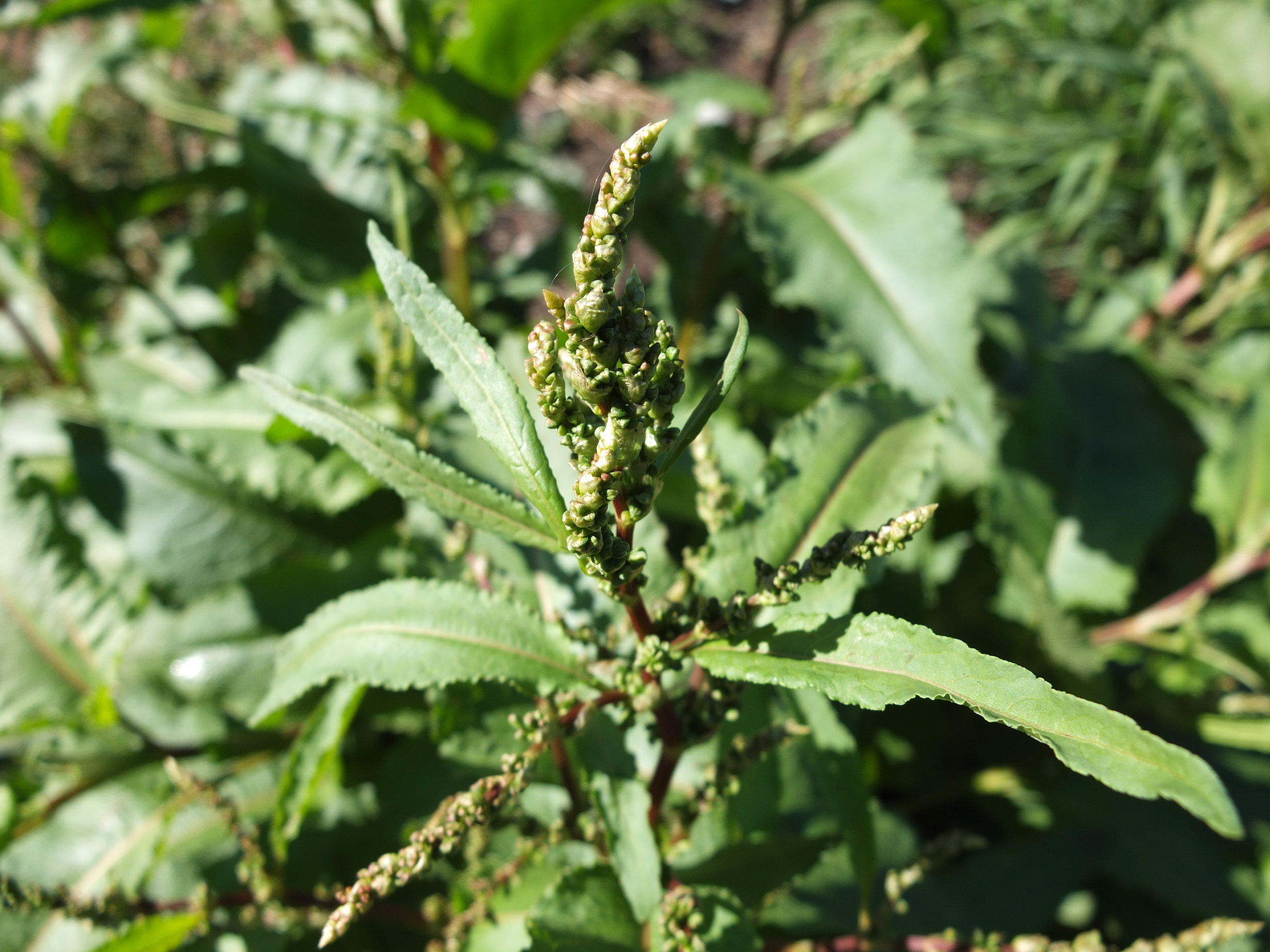 Image 5 of 6
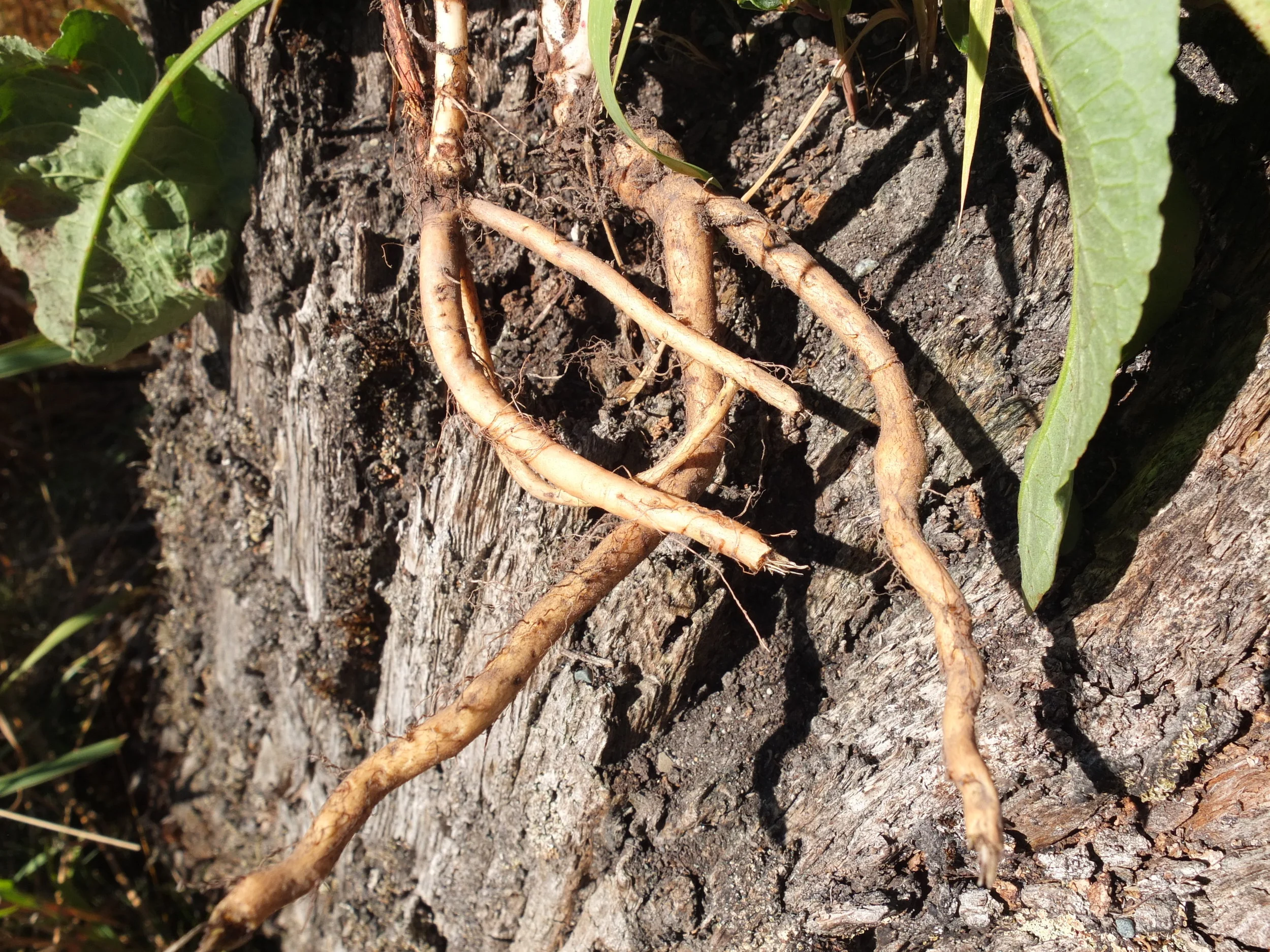 Image 6 of 6
Why Grow Western Dock
Western dock is an excellent choice for gardeners working with heavy or clay-rich soils, where its deep taproot helps break up compacted ground and draw minerals upward. As a native perennial, it fits naturally into woodland gardens, wild edges, and low-maintenance plantings. Growing western dock supports native plant diversity while keeping traditional food and herbal knowledge rooted in place.
🌱
PLANT DETAILS
Common Names
Western Dock, Dock.
Botanical Name
Rumex occidentalis
Plant Family
Polygonaceae (Knotweed Family)
Life Cycle
Perennial
Native Range
PNW from Alaska down through California.
Hardiness Zone
3-9
Habit
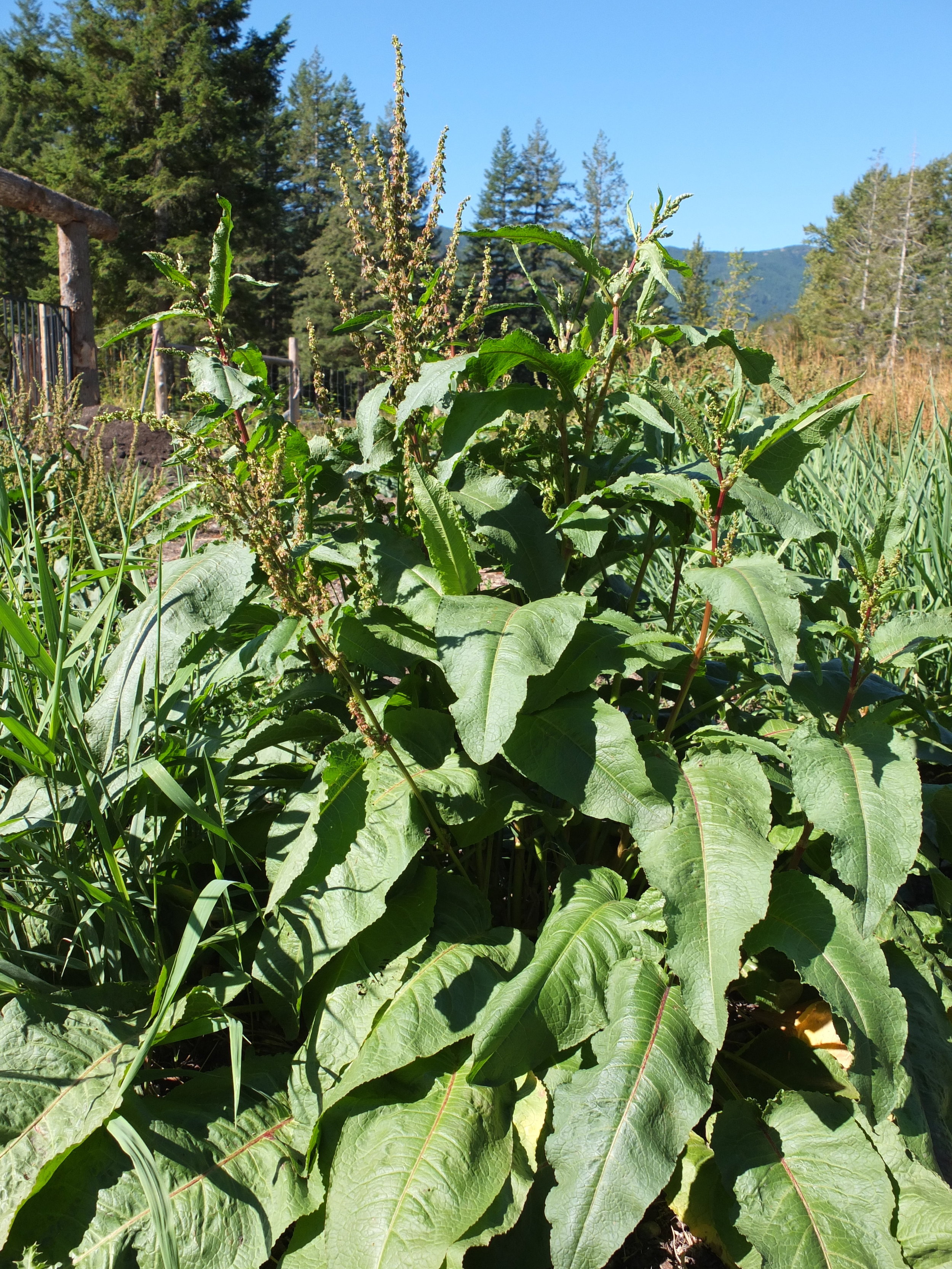
A low growing basal rosette of leaves grows upward to 1.5ft in bloom. Plants display multi-stemmed flower stalks with unusual small light green or pale yellow flowers followed by seeds borne in papery coverings turning from pale green to reddish brown when mature.
Sun & Soil Requirements
Prefers part to full sun and thrives in moist, heavy clay soils. Particularly well suited to forest edges, shaded roadsides, and nutrient-rich low areas. Plants tolerate shade and moisture well.
Germination & Sowing Instructioins
Seeds germinate easily and may be direct sown outdoors in spring or fall. Seeds can also be started in flats and transplanted while young; transplant before plants develop their large taproot to avoid stress.
Growing & Care
Very low maintenance once established. Plants require little care and are highly resilient. Flower stalks may be cut back to prevent self-seeding if desired.
Harvesting
The leaves can be harvested through the spring for culinary use, and are best for medicine in the summer when the plants are in bloom. The roots can be dug in the fall or winter. They are best used dried, as the fresh root can be more strongly laxative.
Culinary Uses
Like other Rumex species such as the yummy Sheep Sorrel (Rumex acetosella) and Garden Sorrel (Rumex acetosa), the new leaves of Dock are edible and tasty. They can be eaten fresh or as a braising green, but as they mature they become more astringent and bitter making them less palatable.
Medicinal Uses
Dock root is a wonderful liver-supporting herb. Through its influence on the liver it helps to clear the skin, balance hormones, and purify the blood of toxins. The root promotes the flow of bile to relieve congestion in the liver and gallbladder. Not only is the root rich in iron but it also helps to improve the absorption of iron by the body.
The leaves also have a topical application for inflammation, and the relief of itching and sores.
Themes
Woodland Garden, Deer Resistant, Native Plant Garden, Wild Foraging, Low Maintenance.