 Image 1 of 5
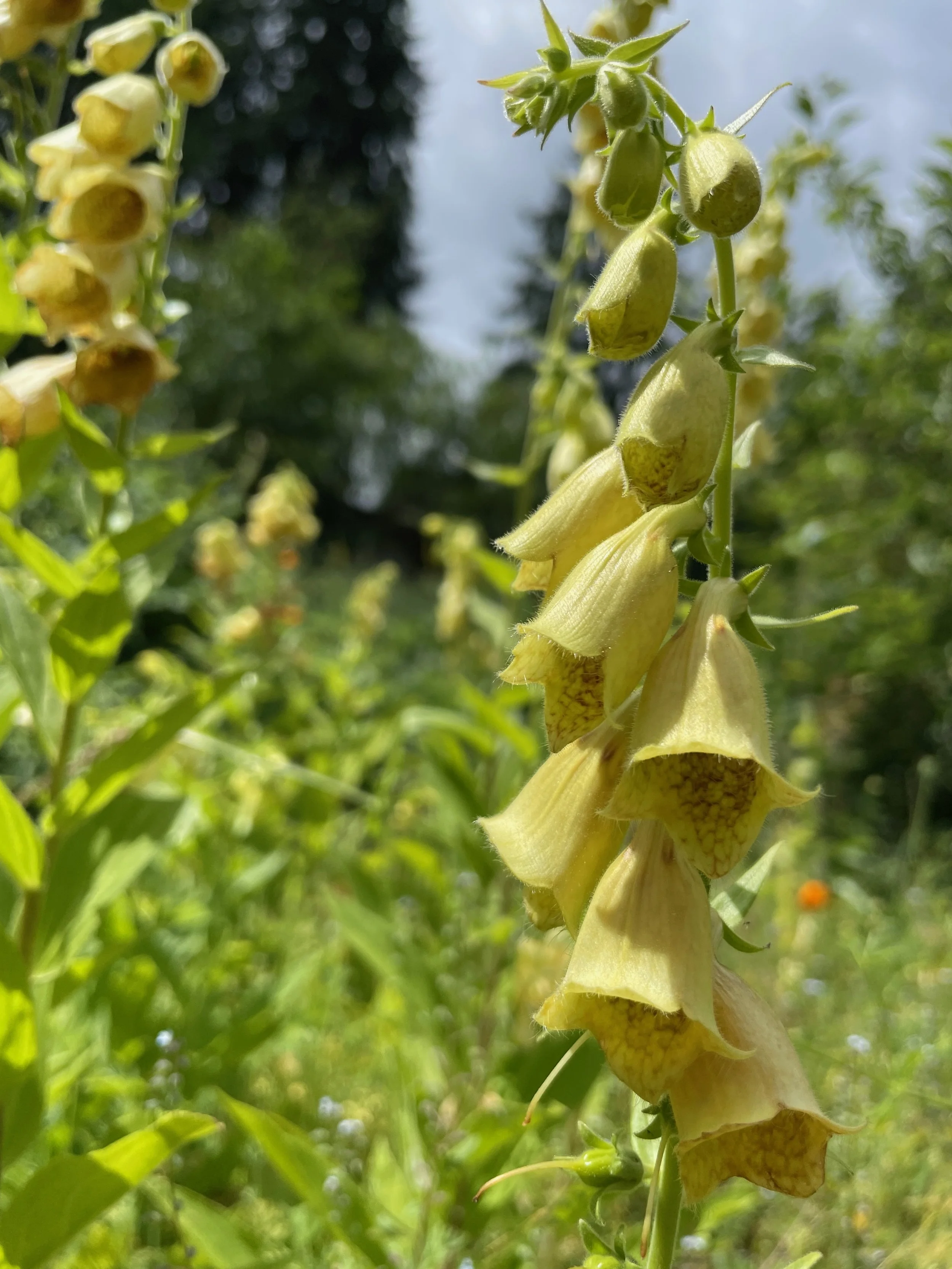 Image 2 of 5
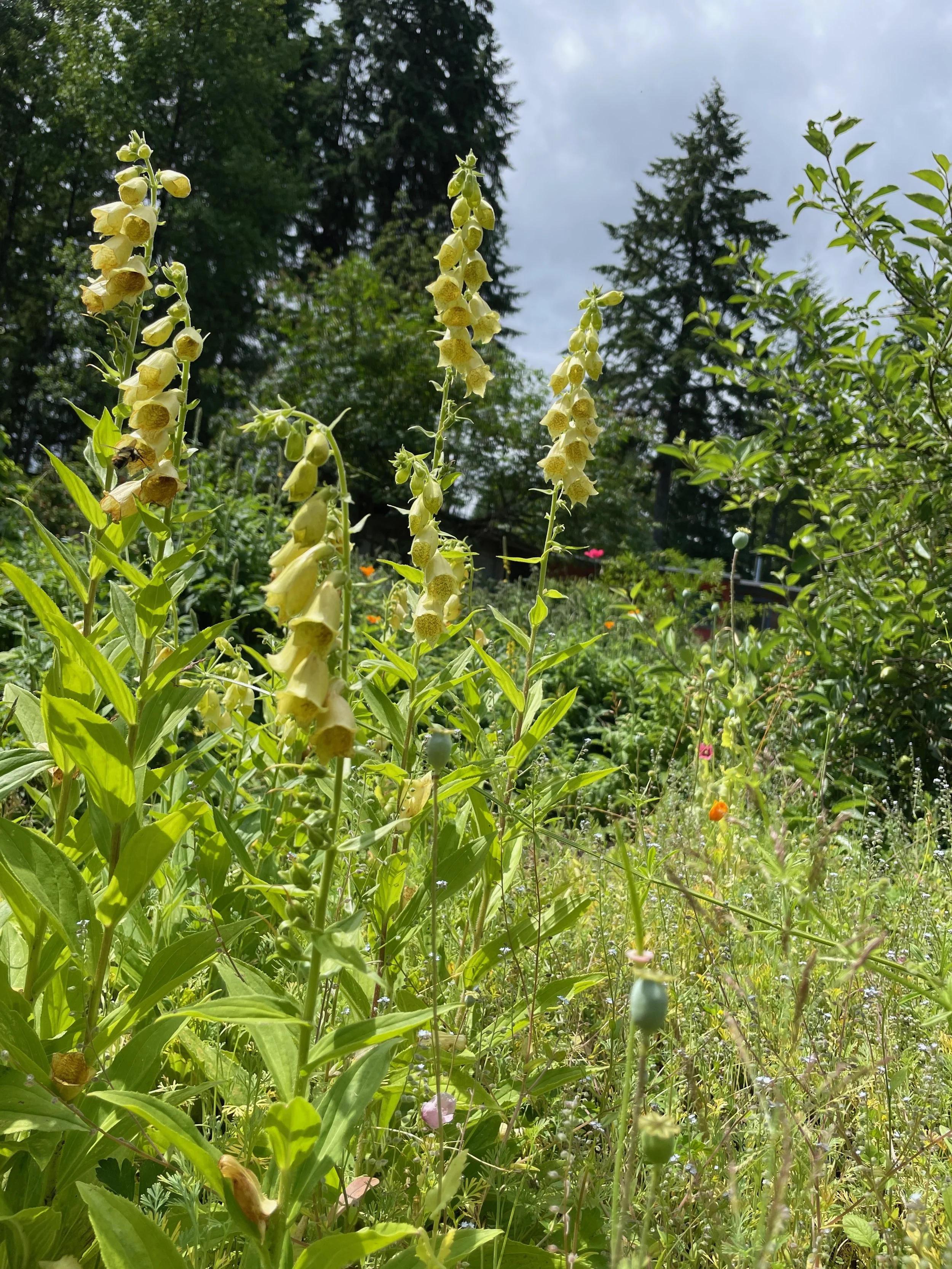 Image 3 of 5
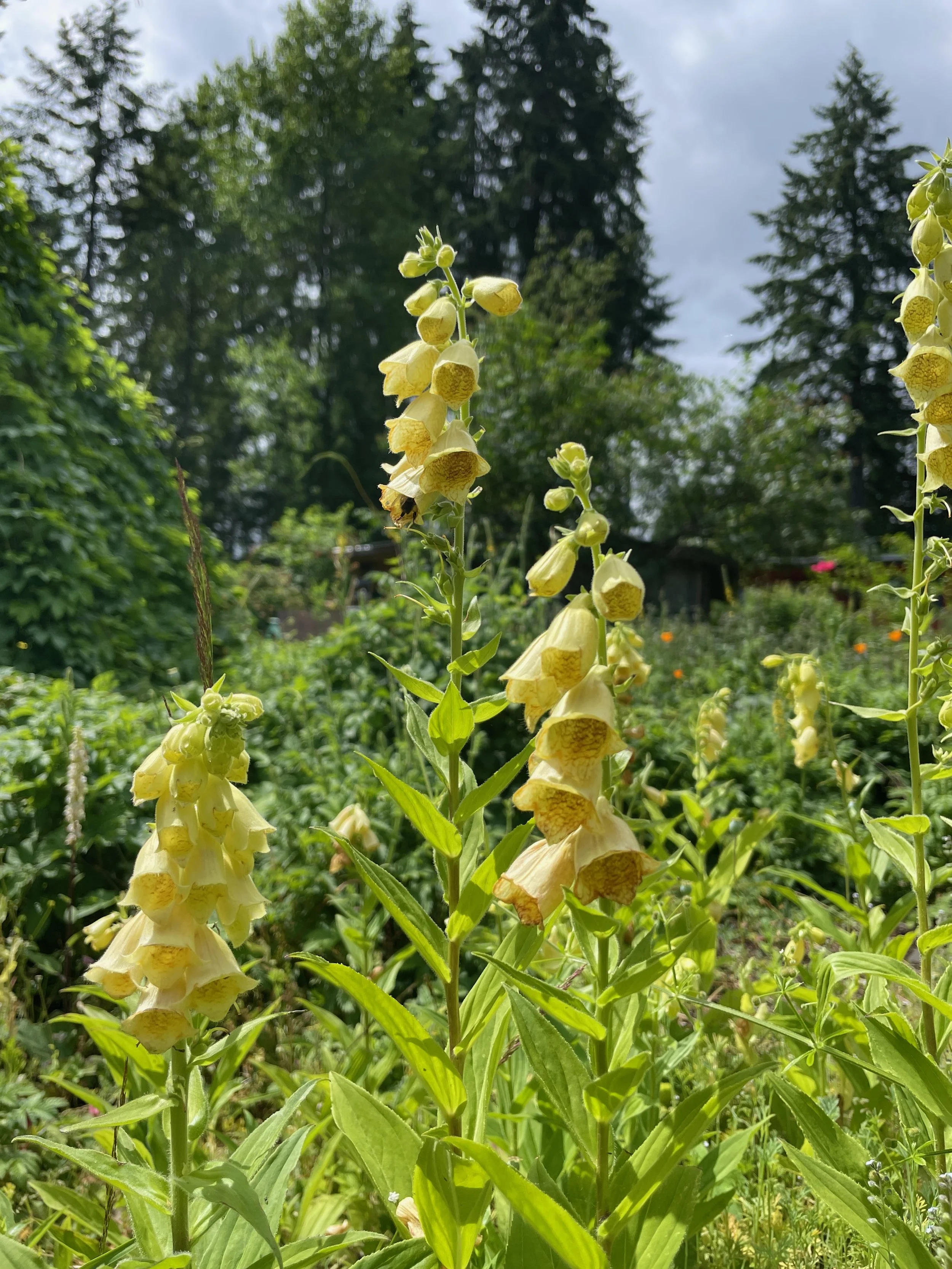 Image 4 of 5
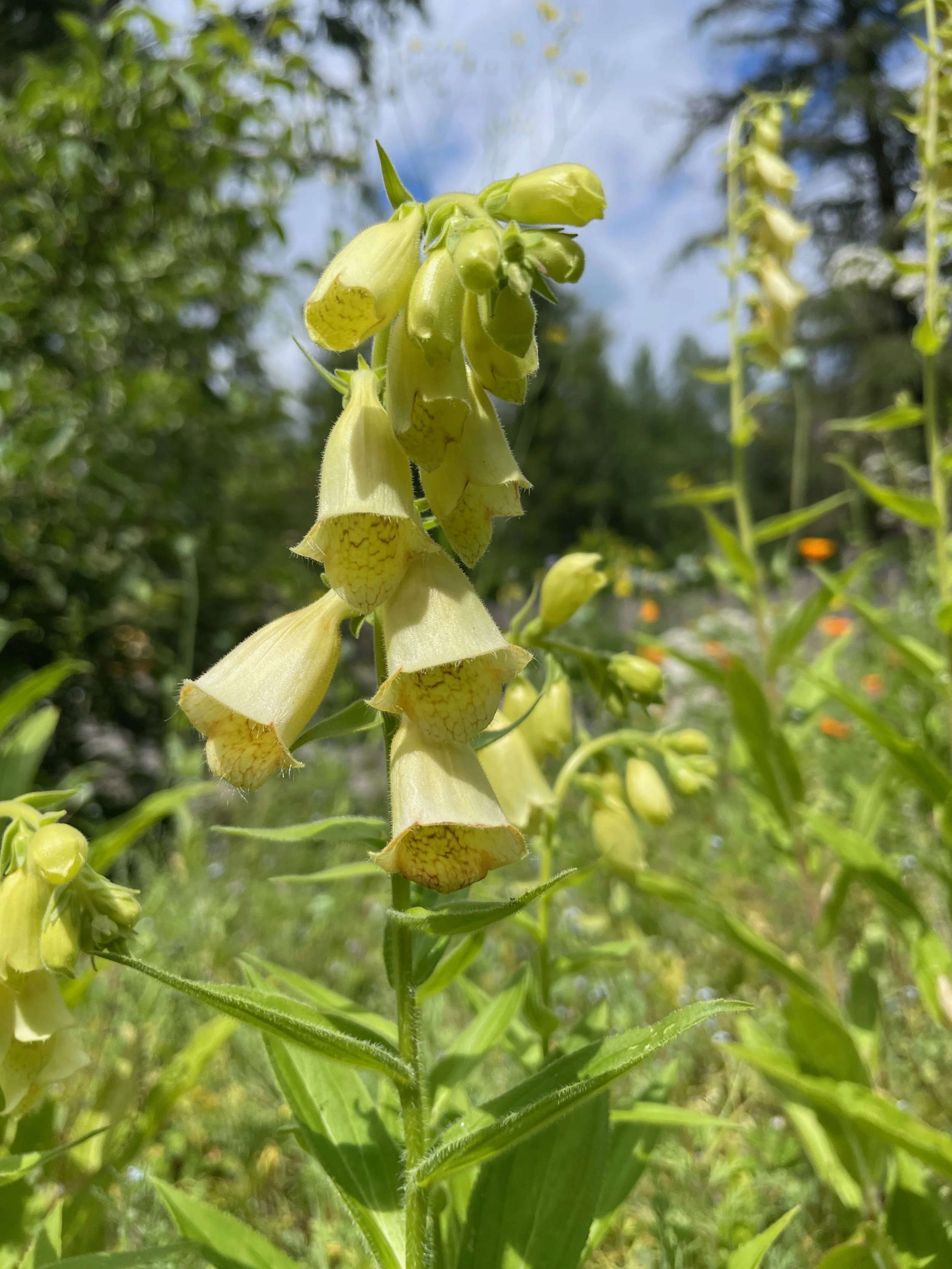 Image 5 of 5
Why Grow Yellow Foxglove?
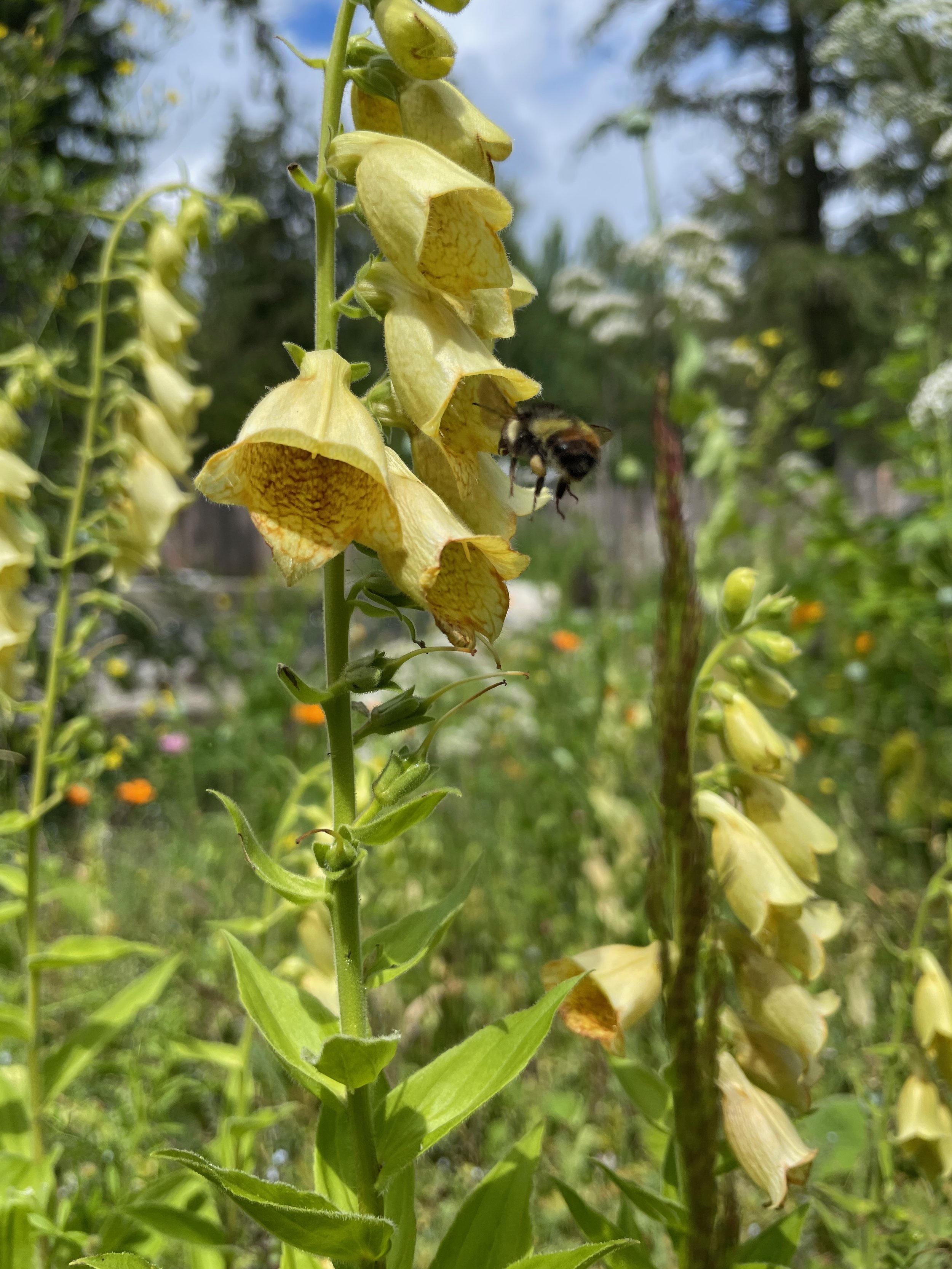
Yellow foxglove offers a softer, more understated alternative to the common purple foxglove while retaining the classic elegance of the genus. Well suited to woodland gardens, shaded borders, and naturalistic plantings, it pairs beautifully with ferns, columbine, and other shade-loving perennials. Once established, plants are reliable, long lived, and lightly self-seeding.
🌱
PLANT DETAILS
Common Names
Large Foxglove, Large Yellow Foxglove.
Botanical Name
Digitalis grandiflora
Plant Family
Plantaginaceae (Plantain Family). Digitalis was formerly placed in Scrophulariaceae (Figwort Family).
Life Cycle
Perennial
Native Range
Europe
Hardiness Zone
4-9
Habit
Clump-forming herbaceous perennial reaching 2–3 feet tall. Upright stems carry softly nodding, 2” tubular pale butter-yellow flowers with subtle brown veining. Blooms in early to mid-summer and is attractive to bees and other pollinators.
Sun & Soil Requirements
Full to part sun, long-lived, true perennial foxglove, which prefers moist soil: will tolerate some drought or a shaded border.
Germination& Sowing Instructions
Seeds are small and require light to germinate. Surface sow in spring or early summer and keep evenly moist. Germination can be slow and uneven.
Growing/Care
Low maintenance once established. Deadheading may encourage extended flowering.
Harvesting
Primarily grown as an ornamental and medicinally significant historical plant; harvesting is not recommended outside of professional contexts due to toxicity.
Culinary Uses
None.
Medicinal Uses
Historically, Digitalis species were used in Western medicine as a source of cardiac glycosides. Due to their potency and narrow therapeutic range, they are no longer used in traditional herbalism and should not be self-administered. This plant is grown today for its ornamental beauty and ecological value rather than for medicinal use.
Themes
Woodland Garden, Cottage Garden, Pollinator Plant, Shade Tolerant, Historic Medicinal Plant.