 Image 1 of 4
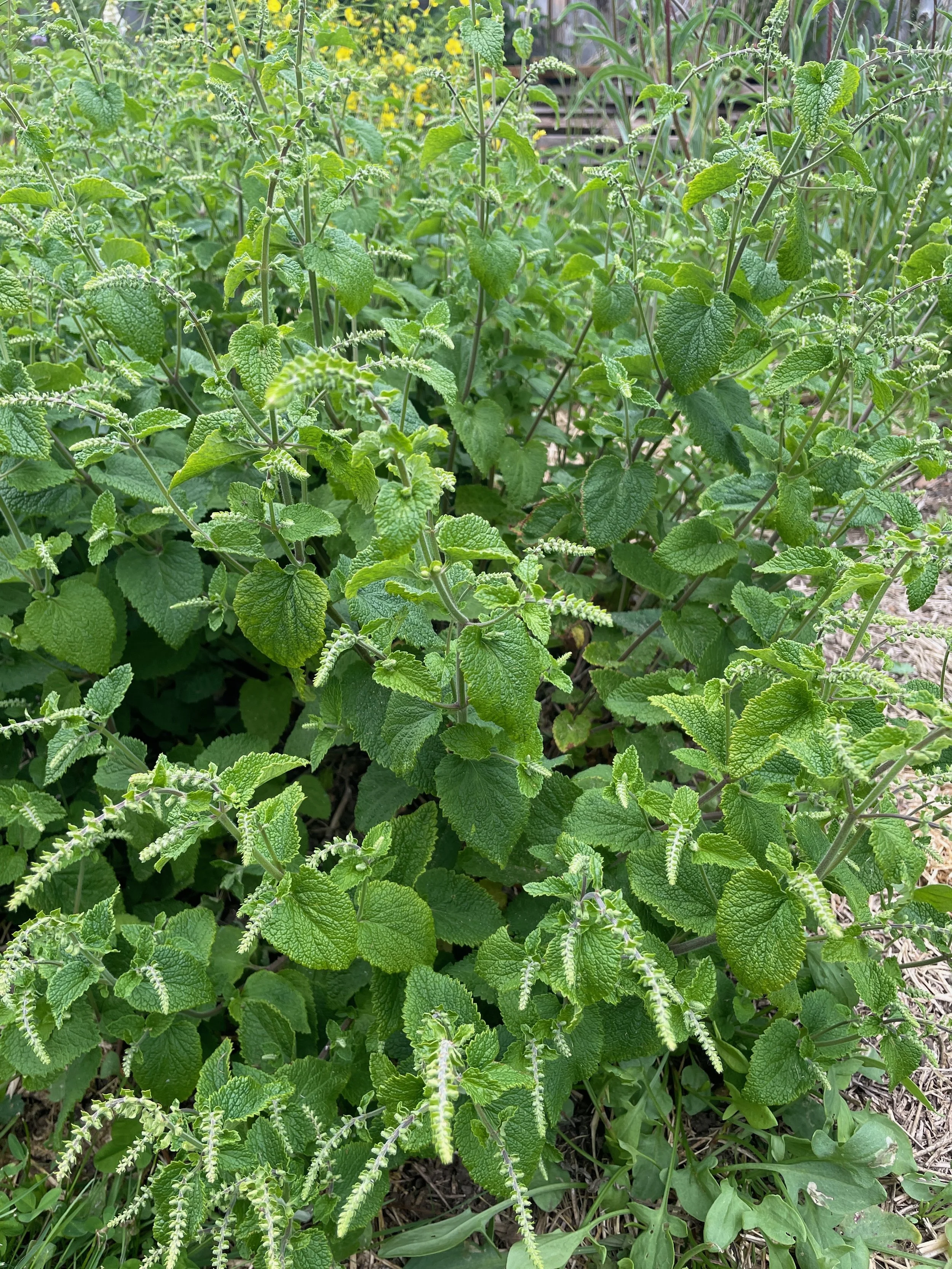 Image 2 of 4
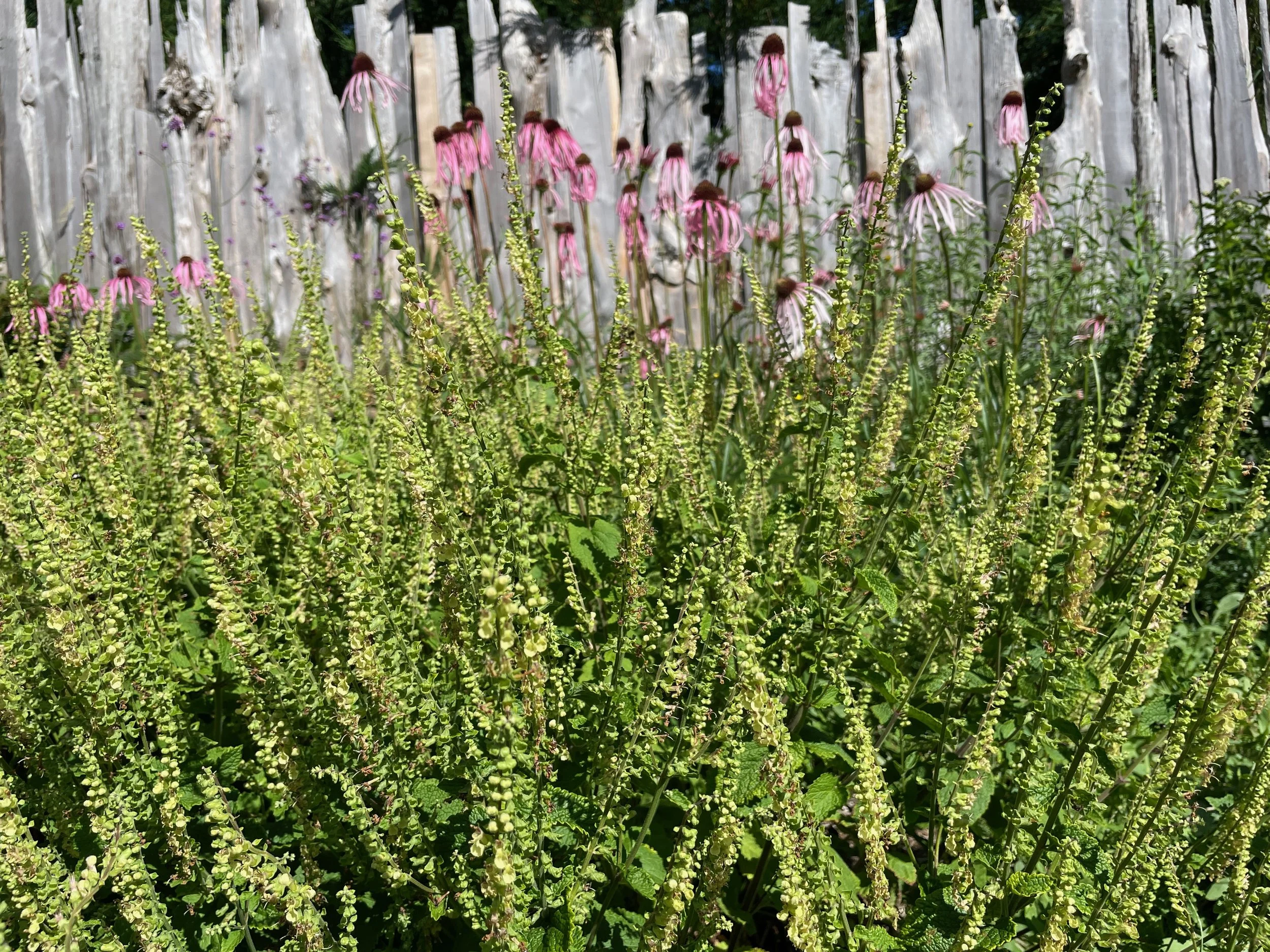 Image 3 of 4
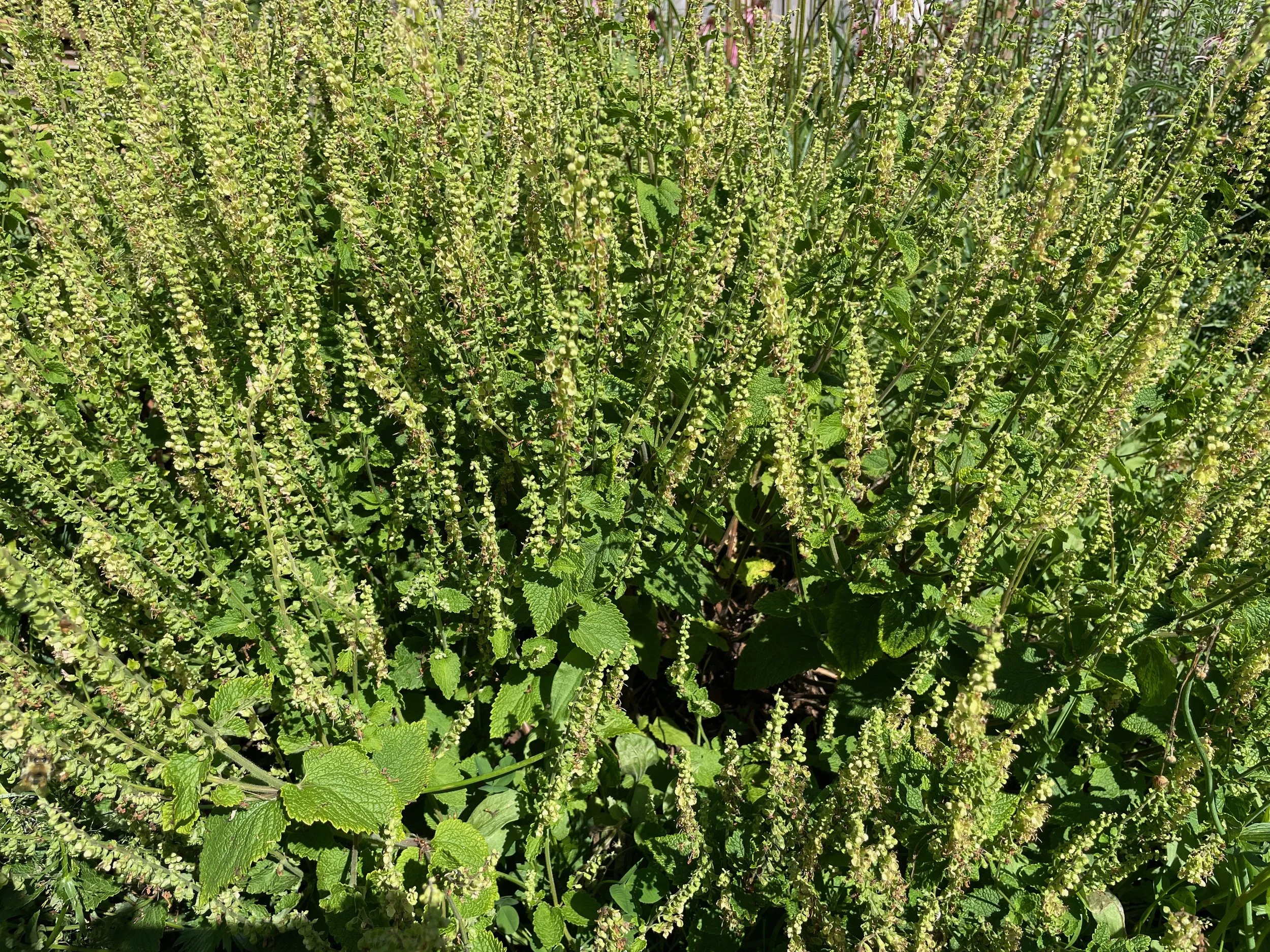 Image 4 of 4
Why Grow Wood Sage?
Wood sage is valued for its adaptability to partial shade and woodland conditions where many herbs struggle. It offers gentle fragrance, pollinator support, and a long history of traditional herbal use. Well suited to woodland gardens, naturalistic plantings, and herbal borders, wood sage provides quiet beauty and resilience with minimal maintenance.
🌱
PLANT DETAILS
Common Names
Wood Sage, Woodland Germander, Wood Germander
Botanical Name
Teucrium scorodonia
Plant Family
Lamiaceae (Mint Family)
Native Range
Western Europe
Life Cycle
Perennial
Hardiness Zone
5-9
Habit
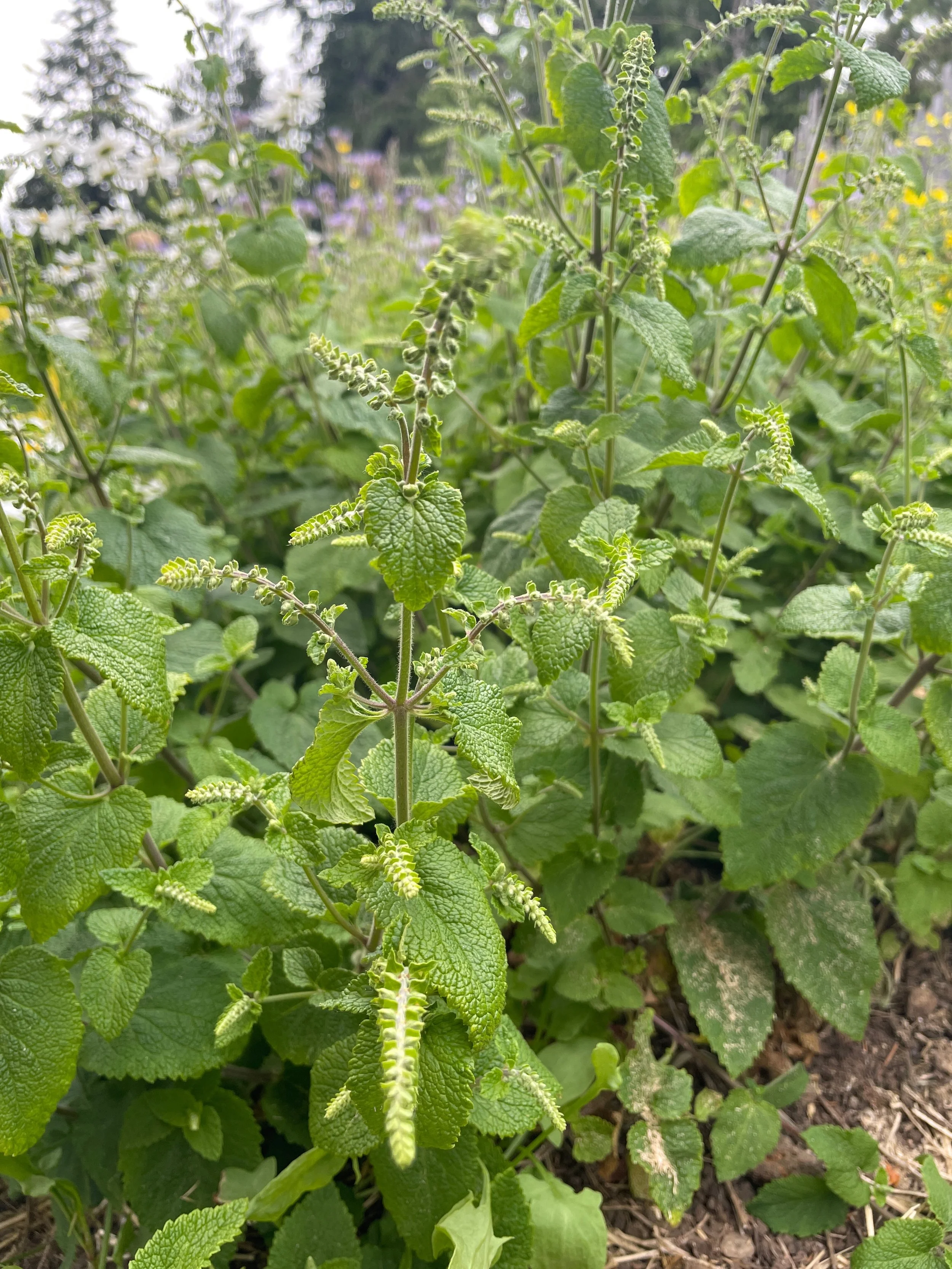
Wrinkled, grey-green foliage topped with spikes of pale yellow nectar-laden blossoms. Usually reaches roughly 2–3 feet in height, forming a compact, bushy mound. Very attractive to bees and butterflies.
Sun & Soil Requirements
Prefers partial shade to full sun and grows best in well-drained soil with moderate fertility. Tolerant of poorer soils and adaptable to woodland edge conditions.
Germination & Sowing Instructions
Seeds may be started indoors in early spring or direct sown outdoors after danger of frost has passed. Lightly cover seeds and keep soil evenly moist during germination, which typically occurs within 14–21 days.
Growing & Care
Will grow in a variety of conditions with little care. Very drought tolerant once established.
Harvesting
The aerial parts are gather as the plants begin to bloom.
Culinary Uses
N/A
Medicinal Uses
Wood sage has a long history of use in European herbal traditions, where it was valued as a gentle tonic herb. Traditionally, it was used to support digestion and overall vitality and was often prepared as a mild tea.
Themes
Apothecary Garden, Attracts Pollinators, Deer Resistant, Low Maintenance, Drought Tolerant, Cut Flowers.